Last Updated 14 years ago by Kenya Engineer
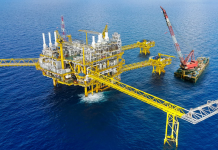
Kenya Petroleum Refineries Limited has received a Sh21.2 billion loan from Standard Chartered Plc to help in implementing the company’s plans to shift from a toll refinery to a merchant one.
The plant which has been running as a toll merchant since inception 50 years ago where oil marketers import crude oil and process 50 per cent of it at the refinery for a fee. It will now buy and process its own crude oil and then sell it to local and international marketers.
The conversion to a merchant refinery has twice been postponed from the initial December 2011 and March 2012 deadlines due to lack of a legal framework and inadequate funding.
The facility will need some upgrade works as it is running on old technology which will not allow it to efficiently meet the expected results once it starts to operate as a merchant refinery. Upon upgrade, the refinery’s annual production is set to increase from the current 1.6 million metric tonnes to 4 million metric tonnes of petroleum products.
The upgrade will also provide water desalination facilities and ensure that its products comply with the international environmental standards. The plant has also secured a $13.5 million loan from Barclays Bank of Kenya Limited to build its own 9.3 megawatt power plant. The plant will help ensure stable electricity supply to the refinery as well as reduce the cost incurred in settling the refinery’s electricity bill.
The move by KPRL will free marketers to buy products from other international refineries as opposed to the current structure that requires that they process about 50 per cent of the monthly demands at the refinery. According to many marketers, processing products at the refinery is more costly than importing already refined products. It will also allow them to import large amounts of refined products and remove the risk of shortages should the refinery breakdown.
The upgrade is expected to sharply reduce the cost of refining oil and increase the amount of Liquefied Petroleum Gas (LPG) produced locally, leading to lower prices for consumers.
{flike} {fsend}
{fcomment}

-
Product on sale AWEBook Volume 2Original price was: KShs 3,500.00.KShs 3,000.00Current price is: KShs 3,000.00.