

Last Updated 5 months ago by Kenya Engineer
The Africa Energy Indaba 2026, held from 3–5 March in Cape Town, once again positioned itself as the continent’s premier platform for energy dialogue. Beyond the high-level engagements, however, this year’s discussions highlighted a more pressing reality: Africa is no longer constrained by a lack of vision, but by the pace of execution.
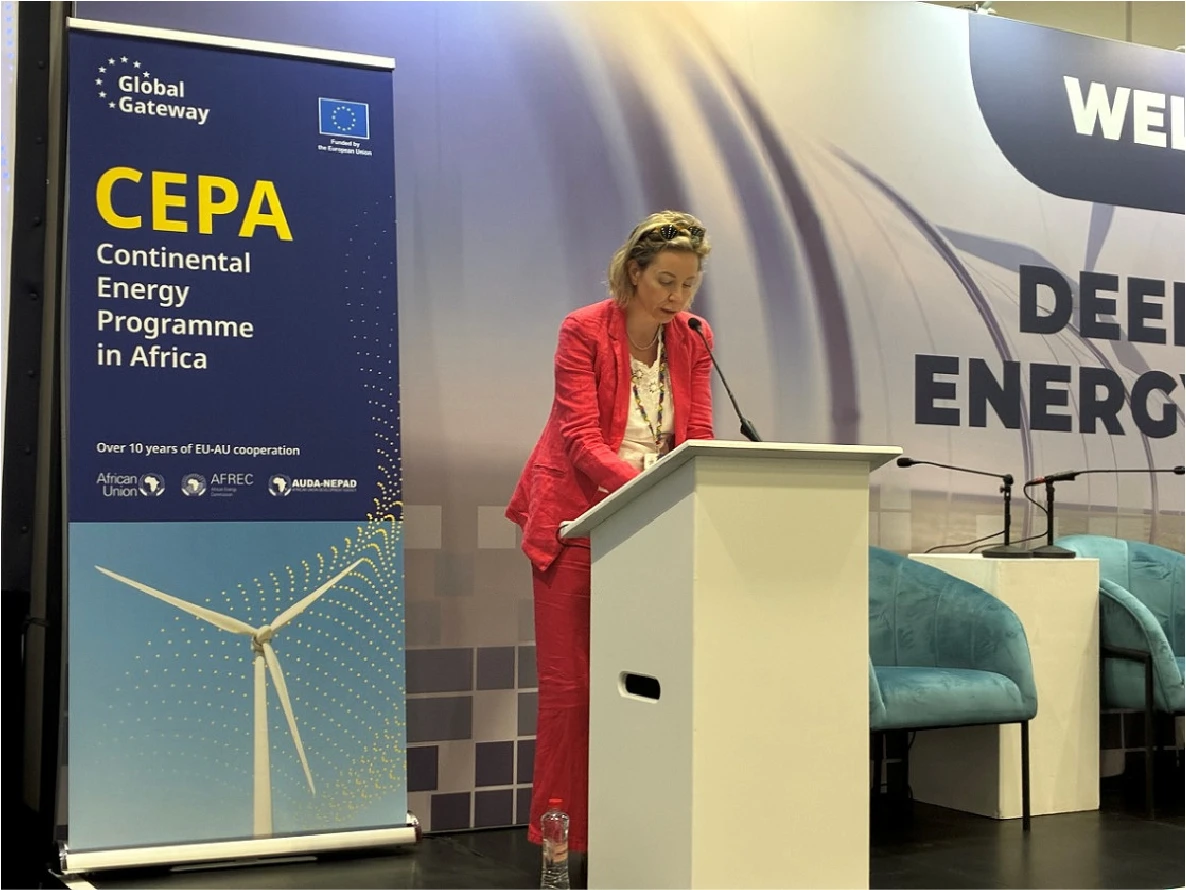
At the centre of this shift was a “Deep Dive” session convened by AUDA-NEPAD and the African Union Commission, in collaboration with international partners including the EU-supported Continental Energy Programme in Africa and Germany-backed Accelerating the Energy Transition in Africa. The focus was clear: strengthening Africa’s pipeline of bankable energy projects and accelerating collaboration between public and private sector actors.
Addressing the Project Pipeline Gap
Despite long-standing frameworks such as the Continental Power Systems Masterplan, Africa continues to face a shortage of mature, investment-ready power infrastructure projects. The scale of investment required—estimated at over €1.2 trillion—underscores the urgency of translating planning into implementation.
This challenge extends beyond financing. Many projects fail to progress due to gaps in early-stage development, including limited prefeasibility studies, weak cross-border coordination, and inconsistent regulatory environments. Without a robust pipeline of bankable projects, investment flows remain constrained.
Initiatives such as CEPA are beginning to address these barriers by supporting prefeasibility studies for priority projects. Early examples, including the Burundi–Tanzania and Angola–DRC interconnectors, demonstrate progress. However, the transition from concept to implementation remains slow and requires sustained effort.
Regional Power Pools as Catalysts for Integration
Regional power pools are playing an increasingly important role in shaping Africa’s energy future. Organisations such as the Southern African Power Pool, West African Power Pool, Eastern Africa Power Pool, and Central Africa Power Pool are central to enabling cross-border electricity trade and system integration.
Projects presented during the Indaba included large-scale generation initiatives and extensive transmission corridors spanning multiple countries. These developments are laying the groundwork for a more interconnected and efficient continental power system.
However, transmission infrastructure remains a critical constraint. While generation capacity continues to grow, the ability to evacuate and distribute power across regions is lagging. Addressing this imbalance will be essential to unlocking the full potential of Africa’s energy resources.
Unlocking Private Sector Participation
A key theme emerging from the discussions is the importance of private sector investment in delivering Africa’s energy ambitions. Public funding alone will not be sufficient to meet the scale of infrastructure required.
To attract private capital, projects must be structured to meet investor expectations. This includes establishing clear regulatory frameworks, mitigating risks, and ensuring commercial viability—particularly for transmission projects, which have traditionally been publicly funded.
Collaborative initiatives between African institutions and international partners are making progress in this area by supporting project preparation and investment structuring. Strengthening these efforts will be critical to accelerating project delivery.
From Policy Frameworks to Implementation
Africa has developed a strong foundation of policy and strategic frameworks, including the African Single Electricity Market and the African Energy Efficiency Strategy, aligned with the broader vision of Agenda 2063.
The challenge now lies in implementation. Advancing these frameworks will require:
- Accelerated feasibility and environmental studies
- Improved regional coordination
- Enhanced institutional capacity
- Greater alignment between governments, financiers, and developers
Without sustained focus on execution, these frameworks risk remaining largely aspirational.
Implications for Kenya and East Africa
For Kenya and the wider East African region, the outcomes of the Indaba are particularly relevant. As an active participant in the Eastern Africa Power Pool, Kenya is strategically positioned to contribute to and benefit from increased regional interconnectivity.
Cross-border transmission projects linking Kenya with neighbouring countries are key to enhancing energy security, optimising resource utilisation, and supporting the growth of renewable energy. However, as with the broader continental context, success will depend on effective project preparation, financing, and regulatory alignment.
A Call for Delivery
The Africa Energy Indaba 2026 reinforces a critical message: Africa’s energy transition will be defined by its ability to deliver projects efficiently and at scale.
The continent has established strong policy frameworks, built meaningful international partnerships, and identified priority infrastructure projects. The remaining challenge is to ensure that these elements translate into tangible outcomes.
For stakeholders across the energy sector, this represents a call to action. Engineers, policymakers, financiers, and developers must work collaboratively to overcome bottlenecks in project preparation and execution.
-
Product on sale
 AWEBook Volume 2Original price was: KShs 3,500.00.KShs 3,000.00Current price is: KShs 3,000.00.