

Last Updated 7 months ago by Kenya Engineer
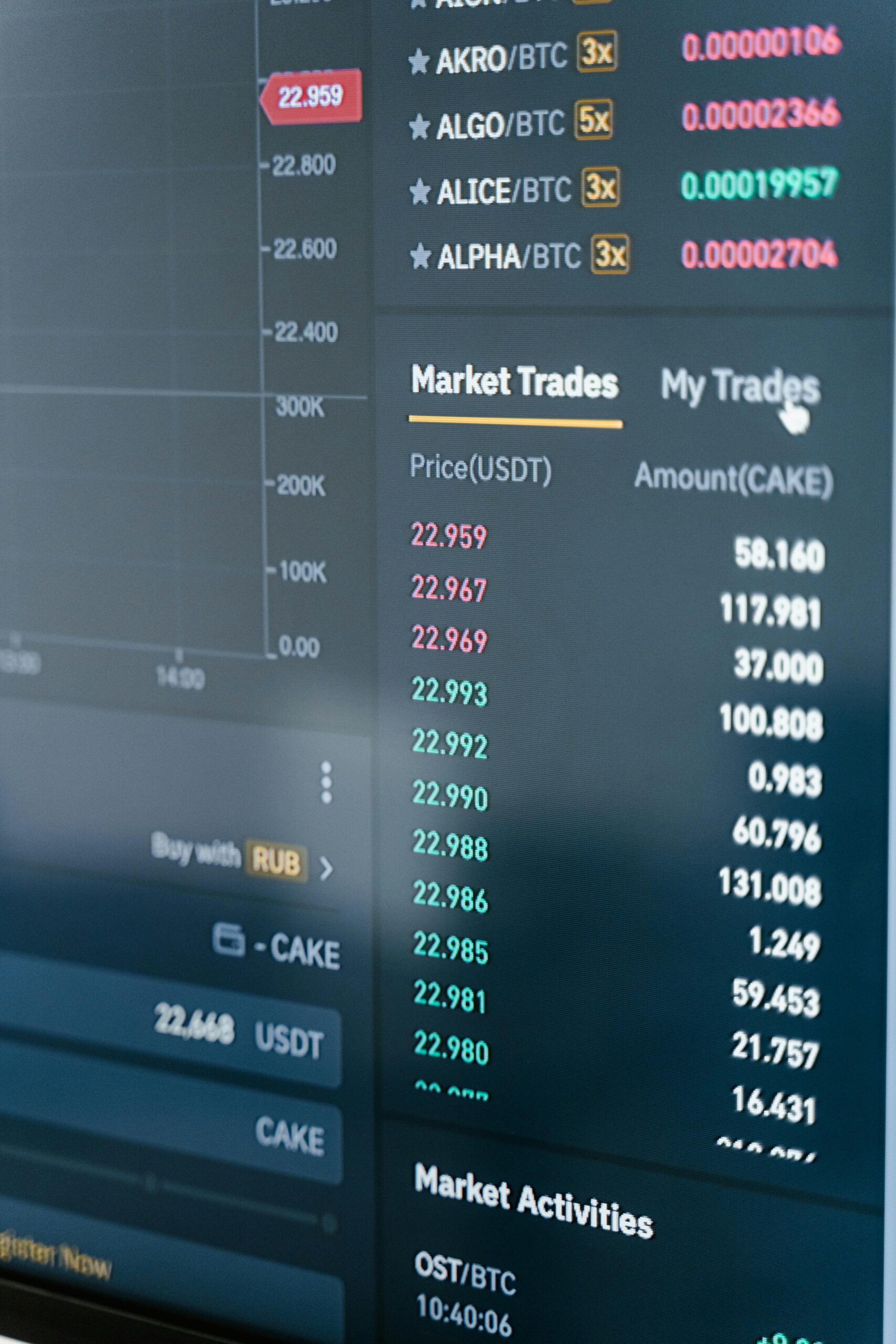
Mobile-first finance has become part of everyday infrastructure rather than a niche product category. In many markets, search behavior around the best trading app in kenya now reflects an expectation that market access happens through a phone rather than a desktop terminal. That shift points to a deeper technical change driven by network coverage, cloud computing and real-time data distribution. For engineering-focused readers, the more useful question is not which app is preferred, but how mobile systems themselves are reshaping the way individuals interact with financial markets.
Over the past decade, smartphone adoption and mobile broadband access have expanded across both emerging and developed economies. The World Bank reports continued growth in mobile broadband subscriptions, while GSMA data shows smartphones have become the primary internet device for hundreds of millions of users. In parallel, financial market infrastructure has moved toward cloud backends and API-driven data delivery. Together, these trends made it technically viable for trading platforms to deliver live prices and execution to handheld devices with stability and speed once limited to desktop environments.
Kenya and other African markets offer a useful illustration of how mobile technology changes financial behavior more broadly. Recent reporting on the expansion of smartphone-linked financial services shows how companies have reached more than five million customers by connecting affordable devices to digital finance tools, unlocking over $1.5 billion in credit across several markets. That growth came from systems designed around mobile access and always-on connectivity, the same foundations now shaping how market platforms are used.
From desktop terminals to mobile-first trading systems
Online trading was originally designed around fixed screens, stable connections and long sessions at a workstation. Early platforms assumed that users would remain active for extended periods. The transition to web-based systems reduced some friction, but the structural change arrived with mobile-first architectures, where availability and responsiveness matter as much as analytical depth.
Today, many trading systems rely on distributed cloud infrastructure and lightweight client applications that prioritize efficient data use and fast refresh cycles. This mirrors broader connectivity trends. GSMA reports that mobile internet usage continues to grow fastest in regions where smartphones are the main computing device, while World Bank data shows steady increases in mobile data adoption across Sub-Saharan Africa and other emerging markets.
Statista’s reporting on global finance app usage points in the same direction. Time spent in mobile financial applications has risen, while session lengths have generally shortened. Desktop trading encouraged fewer but longer interactions. Mobile systems encourage shorter, more frequent check-ins. The technology does not just follow behavior. It also shapes it, because always-available systems invite different patterns of attention than tools tied to a desk and a large screen.
Interface design, latency and why execution infrastructure now shapes user behavior
Once trading moves onto a smartphone, interface and infrastructure constraints become central to the experience. Screen size limits how much information can be displayed at once, which pushes designers toward layered views and simplified dashboards. At the same time, user expectations around responsiveness remain high. A delayed price update or an unresponsive order screen is immediately noticeable, even during brief sessions.
This brings engineering concerns such as latency, uptime and load management into everyday use. In practical terms, a mobile trading system depends on a chain that includes market data feeds, application servers, network routing and the client device. Academic and industry research on financial system performance has shown that even small delays can affect how users perceive reliability, particularly when interactions are frequent and time-limited.
Infrastructure design therefore influences behavior in subtle ways. Systems that remain stable under peak load and refresh data quickly make frequent checking easier. Systems that struggle under stress tend to push users back toward longer, less frequent sessions. This is not a question of marketing features. It is a consequence of how distributed systems perform under real-world conditions.
Always-on data access and the rise of continuous market monitoring
Mobile platforms have normalized continuous access to market data. Prices, charts and news updates are no longer something a user retrieves a few times a day from a fixed terminal. They are streams that sit one tap away. The IMF and the World Bank have noted in recent digital finance overviews that real-time or near-real-time data access is becoming a standard feature of modern financial services.
This availability changes habits. Instead of reviewing markets at set times, many users now engage in frequent, brief check-ins. Attention shifts toward shorter time horizons, not because outcomes are guaranteed or improved, but because the systems make short-term movements more visible. Statista surveys of app usage patterns across finance categories show a similar trend toward higher visit frequency combined with shorter average sessions.
There are limits. Small screens restrict how much context can be shown at once and notifications compete with many other apps for attention. Research into digital interfaces often points to information overload as a side effect of always-connected systems. From an engineering standpoint, this reinforces the importance of careful data prioritization and restrained alert design.
Regulation, risk communication and the design challenges of mobile-first trading
As trading interfaces move onto mobile devices, regulatory and governance questions become more closely tied to design decisions. Global discussions around digital finance increasingly emphasize clear risk communication, transparent product labeling and fair presentation of complex instruments. These principles apply regardless of platform, but their implementation becomes more challenging on small screens.
Mobile interfaces compress information into limited space. That makes it harder to present detailed explanations of instruments and risks without oversimplifying. It also increases the importance of precise terminology and clear distinctions between different types of products, such as derivatives compared with underlying assets. Academic and regulatory literature on consumer protection in digital finance frequently notes that interface choices can influence how information is perceived, even when the underlying content is accurate.
A general risk warning is appropriate here. Participation in financial markets involves the possibility of losses as well as gains and mobile access does not change that reality. It only changes where and how people interact with the systems that provide market access.
Mobile trading apps are therefore better understood as a layer of financial infrastructure rather than a shortcut to markets. They combine network engineering, interface design, data distribution and governance requirements into a single, portable system. That combination is what is reshaping investment habits, not by promising outcomes, but by changing the mechanics of access, the tempo of interaction and the way information flows between markets and individuals.

-
Product on sale AWEBook Volume 2Original price was: KShs 3,500.00.KShs 3,000.00Current price is: KShs 3,000.00.