






Last Updated 5 months ago by Kenya Engineer
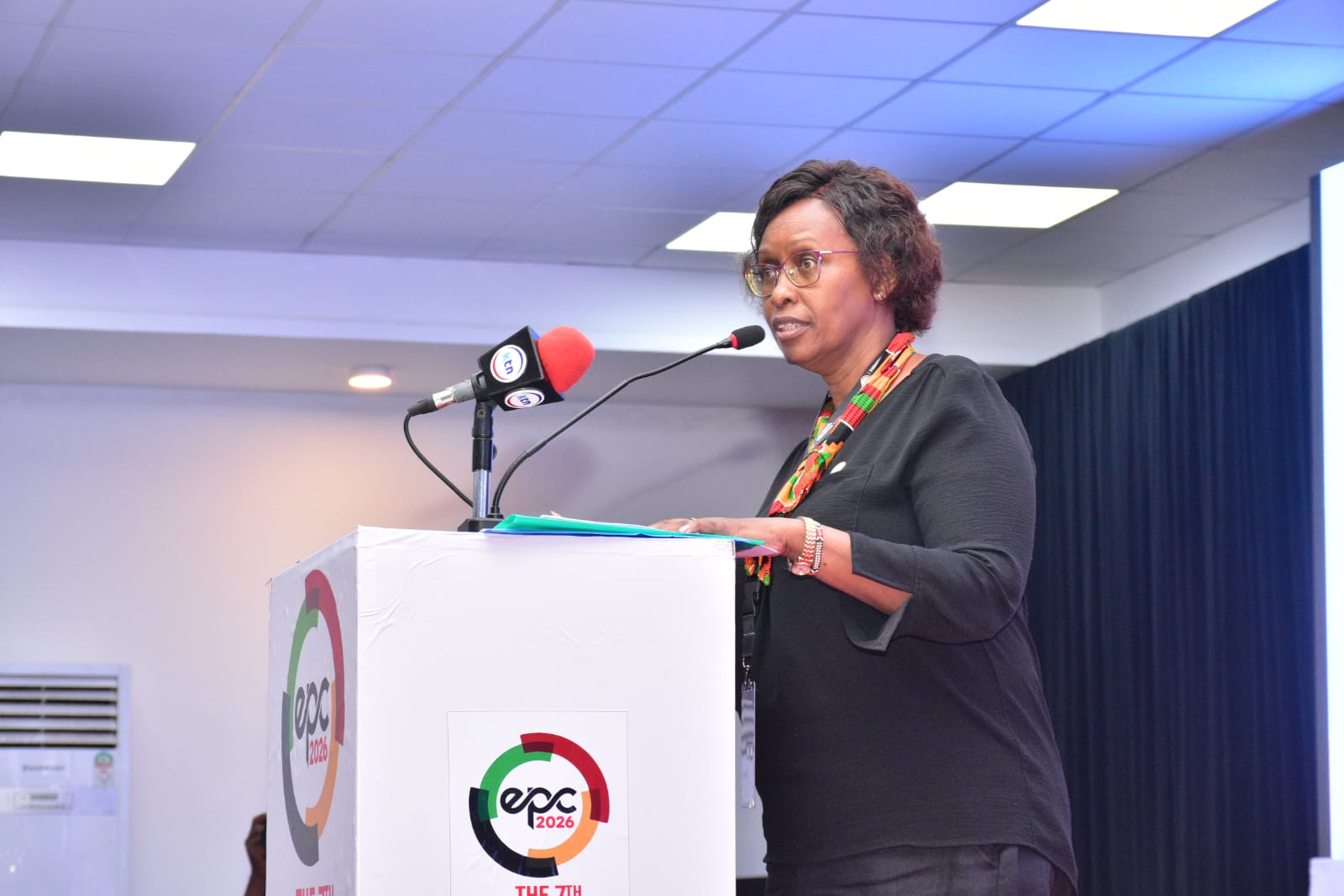
The Engineers Board of Kenya (EBK) has successfully convened the 7th Engineering Partnerships Convention (EPC 2026) in Mombasa, bringing together engineers, policymakers, industry leaders, and development partners in a high-level forum aimed at advancing Kenya’s blue economy and strengthening the engineering profession.
Held at the PrideInn Hotel, the convention opened with the presence of Joseph Mbugua, Principal Secretary in the State Department for Roads, signaling strong government backing for engineering-led national development.
Engineering at the Heart of the Blue Economy
The convention, themed around engineering’s role in unlocking the blue economy, underscored the sector as a key investment frontier capable of delivering infrastructure that is economically viable, environmentally sustainable, and socially inclusive.
A plenary session on sustainable financing highlighted the urgent need for strong project preparation, innovative financing models, and effective public-private partnerships. Contributions from experts including Peace Oduok, Lydia Ngugi, and Dave Okech emphasized that collaboration across sectors will be critical in unlocking investment in marine and coastal infrastructure.
Regional Collaboration Takes Center Stage
A key panel discussion on regional and global synergy emphasized the importance of moving beyond commitments to measurable engineering outcomes. Moderated by Anthony Okere, the session brought together leading voices including Robert Mudida, Olive Muumbo, Gabriel Jabongo, Refilwe Buthelezi, and Henry Mwanaki Alinaitwe.
The panel highlighted that regional frameworks such as the East African Community mutual recognition agreements are enhancing engineer mobility, strengthening professional standards, and supporting continental initiatives like the African Continental Free Trade Area.
From a blue economy perspective, speakers noted that Kenya’s competitive advantage lies in its ability to translate its strategic coastal positioning into practical, scalable engineering solutions.
Scaling Talent and Strengthening the Profession
One of the major takeaways from Day One was the urgent need to expand Kenya’s engineering capacity. EBK announced an ambitious target to grow the number of registered professional engineers to 10,000 by 2028, a move seen as critical in meeting the country’s infrastructure and industrialization goals.
The convention also emphasized that strong regulation and accreditation systems remain central to building a resilient and globally competitive engineering profession.
Mentorship and the Future of Engineering
A pre-conference mentorship session focused on nurturing the next generation of engineers, offering students insights into career development, global opportunities, and the path to professional registration.
The session reinforced the message that engineering excellence must be cultivated early, with structured support systems bridging the gap between academia and industry.
Sustainability in Action
In line with the convention’s theme, “Engineers Rooting the Blue Economy,” EBK officials and participants, led by Registrar/CEO Margaret Ogai, took part in a tree-growing exercise in Mombasa County.
The initiative aligns with Kenya’s national target of planting 15 billion trees by 2032 to achieve 30% forest cover, highlighting the engineering sector’s role in advancing climate resilience and environmental stewardship.
Integrating Infrastructure for Sustainable Growth
Discussions throughout the convention emphasized that achieving the blue economy agenda will require integrated planning, particularly aligning transport and marine infrastructure systems.
Stakeholders noted that coordinated investments across ports, roads, and logistics networks will be essential in unlocking economic opportunities along Kenya’s coastline.
As EPC 2026 progresses, a clear message has emerged: partnerships must move from dialogue to implementation. With growing regional cooperation, increased focus on talent development, and stronger policy alignment, Kenya’s engineering sector is positioning itself as a key driver of sustainable economic transformation.

-
Product on sale
 AWEBook Volume 2Original price was: KShs 3,500.00.KShs 3,000.00Current price is: KShs 3,000.00.


















 has successfully convened the 7th Engineering Partnerships Convention (EPC 2026) in Mombasa)