Last Updated 5 hours ago by Kenya Engineer
Bearing failure can bring industrial equipment to a standstill, interrupt production and increase maintenance costs. In manufacturing plants, power generation facilities, processing industries and other operations that depend on rotating machinery, the condition of bearings can directly affect equipment availability and operational efficiency.
Although bearings are designed to operate reliably under specified conditions, their service life depends on several factors, including correct selection, installation, lubrication, alignment, operating loads and contamination control. Failure to manage these factors can result in premature wear or damage, forcing operators to replace components before their expected service life has been reached.
SKF, the bearings and rotating equipment technology company, identifies several common causes of premature bearing failure and highlights the role of appropriate maintenance practices, specialist tools and condition monitoring in improving equipment reliability.
According to Janus Bezuidenhout, SKF South Africa’s Application Engineering Manager, many premature bearing failures can be traced to identifiable problems in installation, lubrication, alignment and maintenance. Addressing these issues requires identifying the underlying cause rather than merely replacing the damaged component.
Lubrication remains a critical maintenance requirement
Lubrication reduces friction between moving surfaces, limits wear and helps manage heat within a bearing. The lubricant must be appropriate for the bearing, operating conditions and application, while the quantity and frequency of application must be carefully controlled.
Both insufficient lubrication and excessive lubrication can cause problems. Inadequate lubrication can increase friction and wear, while over-lubrication may generate additional heat and contribute to seal damage or lubricant leakage in certain applications.
SKF attributes approximately 36 per cent of premature bearing failures to lubrication-related problems. The company also identifies fatigue, poor mounting practices and contamination as other major contributors, although these percentages should be treated as indicative industry figures rather than a universal breakdown applicable to every installation.
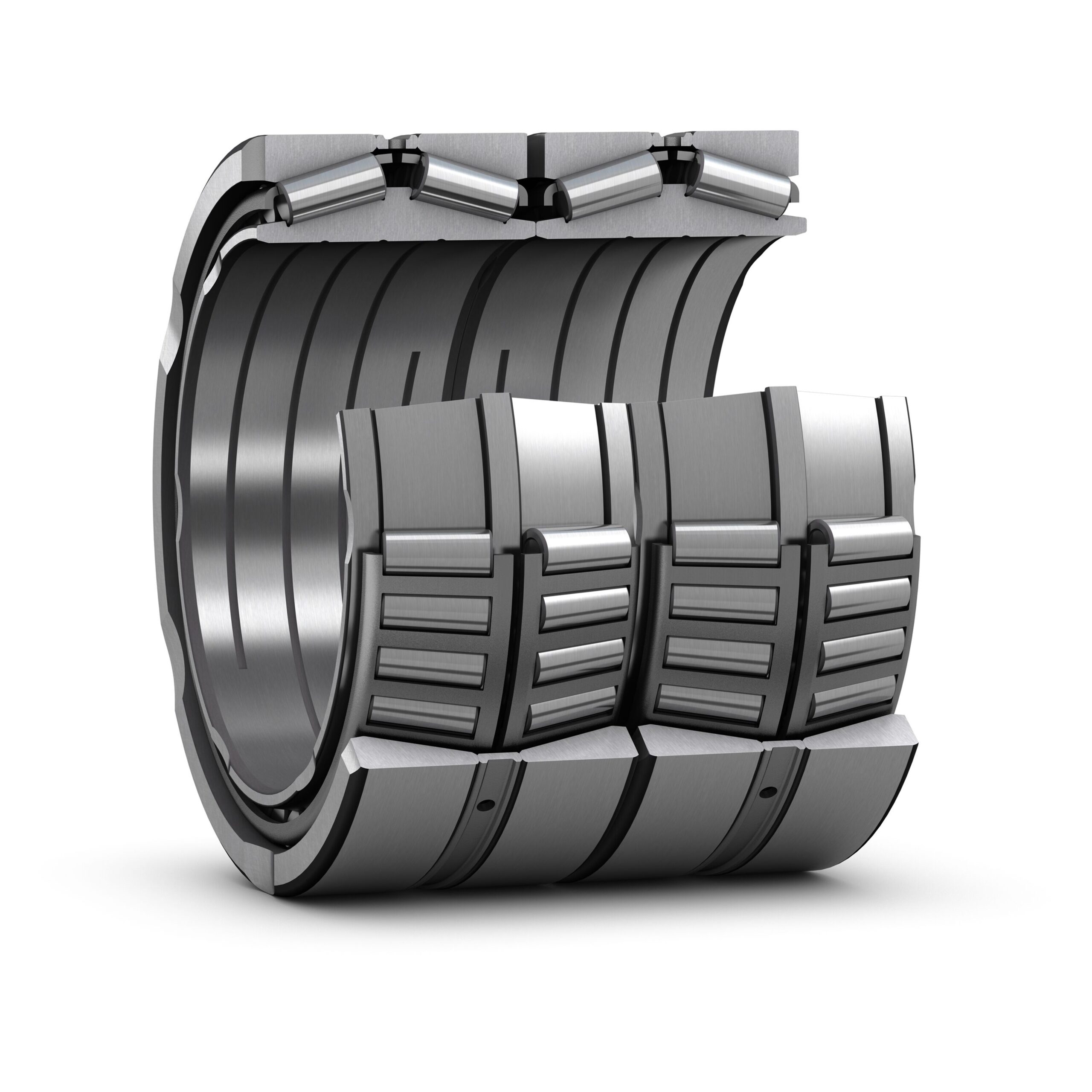
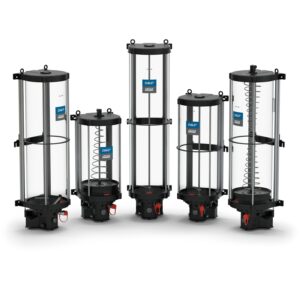
Automated lubrication systems can help address inconsistent manual lubrication, particularly where components are difficult to access or equipment operates continuously. Such systems deliver measured quantities of lubricant at specified intervals, reducing dependence on manual intervention.
The benefits depend on correct system design, lubricant selection, installation and maintenance. Automated equipment does not eliminate the need to inspect lubrication lines, verify delivery and check bearing operating conditions.
Correct mounting protects bearing integrity
Bearing installation is another important stage in determining service life. Incorrect mounting forces, unsuitable tools or poor handling can damage bearing surfaces before equipment enters service.
Mounting procedures must account for the bearing type, shaft and housing fits, operating conditions and manufacturer’s instructions. Applying force through the wrong bearing ring, for example, can transfer loads through rolling elements and damage contact surfaces.
Specialist mounting and dismounting tools help maintenance teams apply forces correctly and reduce the risk of damaging bearings or adjacent components. Training is equally important, particularly when technicians work with large bearings or equipment where access is restricted.
SKF estimates that approximately 16 per cent of premature bearing failures are associated with poor fitting, incorrect mounting forces or inadequate tooling and maintenance practices.
Proper installation should also be accompanied by checks on shaft and housing condition, alignment, clearances and any specified preload. Replacing a damaged bearing without correcting an underlying fitting or alignment problem can lead to another failure.
Condition monitoring helps identify developing faults
Bearings often exhibit changes in vibration, temperature, noise or other operating characteristics as damage develops. Monitoring these parameters can help maintenance teams identify deterioration before it results in an unplanned shutdown.
Condition monitoring technologies allow operators to assess machine health using measurements and trend data. Depending on the application, monitoring may involve vibration analysis, temperature measurements, lubricant analysis or other diagnostic techniques.
SKF offers condition monitoring solutions intended to help operators identify potential faults and plan maintenance around the actual condition of equipment. Early warnings can provide time to investigate the cause, obtain replacement components and schedule repairs before damage progresses.
The effectiveness of condition monitoring depends on selecting suitable measurement methods, establishing meaningful baseline conditions and interpreting the results correctly. Monitoring equipment must also be maintained, and alerts should be assessed in the context of operating conditions rather than treated as automatic proof of bearing failure.
For facilities where unexpected downtime carries substantial production or safety consequences, condition-based maintenance can complement routine inspections and scheduled servicing.
Contamination control and alignment
Contamination is another source of premature bearing damage. Dust, moisture and other foreign material can enter a bearing during storage, installation or operation, damaging rolling surfaces and degrading the lubricant.
SKF attributes approximately 14 per cent of premature bearing failures to contamination. Appropriate seals, clean handling procedures and protected storage can help reduce the risk, while lubricant condition should be checked where the application warrants it.
Alignment is also important in rotating machinery. Misalignment between connected shafts or incorrect alignment of bearing seats can introduce additional loads, vibration and uneven wear. Corrective work should therefore assess the complete assembly rather than focus exclusively on the bearing.
SKF identifies fatigue associated with overloading or maintenance-related problems as another major contributor to premature failure. Actual failure mechanisms may overlap, making a proper inspection and root-cause assessment necessary before corrective action is selected.
Digital tools support maintenance teams
SKF has developed digital resources to help maintenance personnel select and use its maintenance and lubrication products. These include instructional videos covering mounting, dismounting, lubrication, alignment and condition monitoring, alongside the SKF Bearing Assist mobile application.
The application provides practical guidance and tools intended to support bearing installation and maintenance work in the field. SKF also offers a Product Assistant on its website, with an AI-supported function intended to help users navigate product information and technical questions.
These resources can support technicians and engineers, but they should be used alongside equipment-specific documentation, engineering judgement and the manufacturer’s instructions. Product selection and maintenance decisions may require additional assessment of loads, speeds, temperatures, fits and operating environments.
SKF also provides a catalogue of maintenance and lubrication products intended to help users identify suitable tools and equipment for different applications.
Remanufacturing and bearing life-cycle management
Bearing management extends beyond installation and routine servicing to decisions about repair, replacement and remanufacturing.
SKF says early detection of bearing damage can, in suitable cases, create an opportunity for remanufacturing or reuse. Whether this is technically and economically viable depends on the bearing’s design, the extent of damage, operating history and the manufacturer’s assessment.
Remanufacturing may reduce material consumption, replacement costs and turnaround time compared with sourcing a new component. However, not every damaged bearing can be recovered safely, and reuse should only proceed where inspection and applicable technical requirements establish that the component is suitable for continued service.
For industrial operators, the objective is to manage rotating equipment throughout its service life rather than respond only after a breakdown occurs.
Building reliability into maintenance programmes
Preventing premature bearing failure requires a coordinated approach combining correct installation, suitable lubrication, contamination control, alignment checks and condition monitoring. Maintenance personnel also need appropriate tools, training and access to reliable technical information.
For equipment-intensive industries, these practices can help reduce avoidable shutdowns, improve maintenance planning and make better use of machinery and replacement components.
The greatest gains come from identifying why a bearing failed and correcting the underlying cause. Replacing the component without addressing the conditions that damaged it risks repeating the same failure, with further costs in labour, materials and lost production.
-
Product on sale
 AWEBook Volume 2Original price was: KShs 3,500.00.KShs 3,000.00Current price is: KShs 3,000.00.