Last Updated 46 mins ago by Kenya Engineer
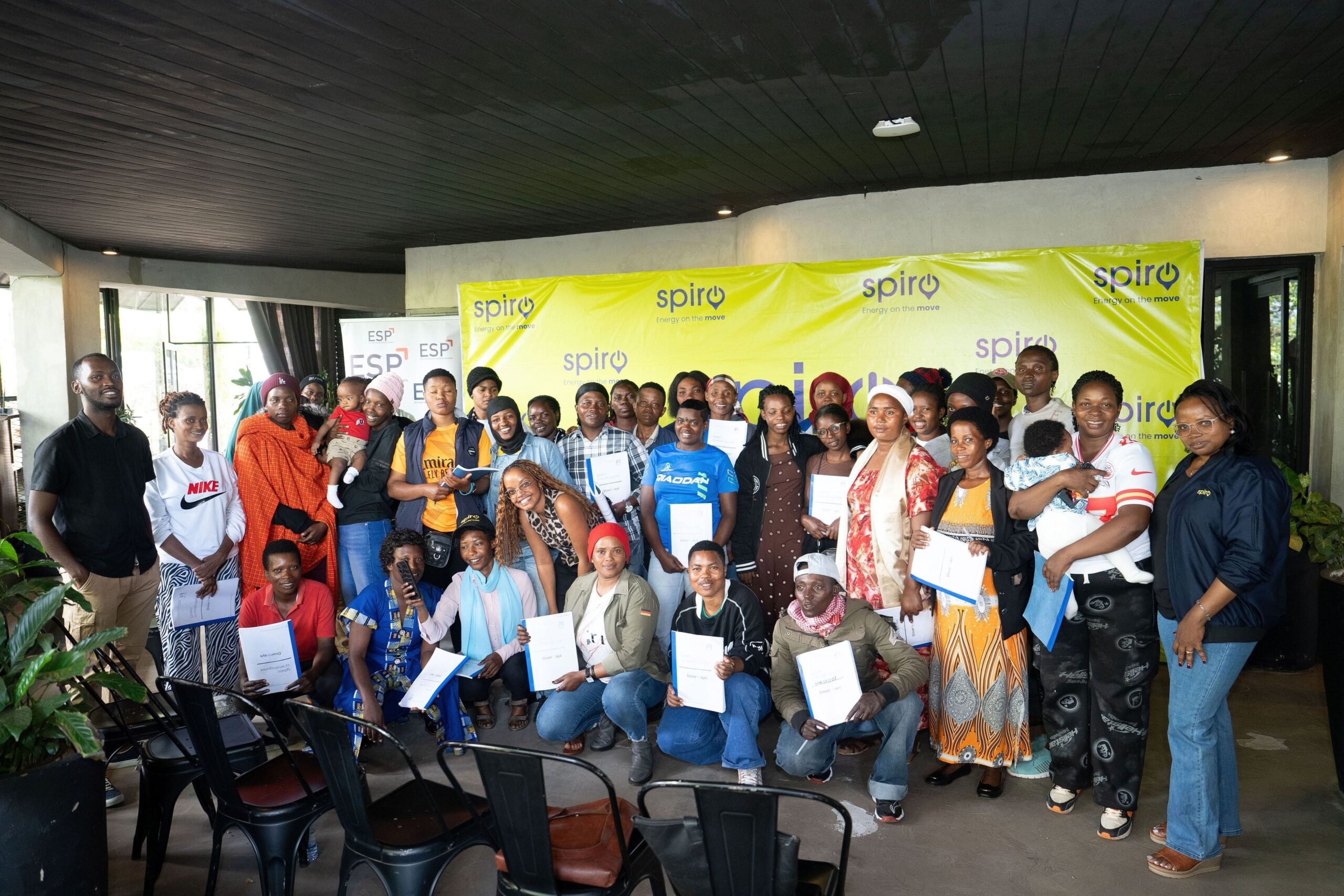
Spiro, an electric mobility company, and Entrepreneurial Solutions Partners (ESP), a pan-African entrepreneurship development firm, have launched a pilot programme in Rwanda to help women enter the electric motorcycle sector and establish transport-related businesses.
The Women in E-Mobility programme began in October 2026 with an initial cohort of 50 women. It forms part of a pilot targeting 500 participants in Rwanda, with the two partners aiming to support 5,000 women across Africa by 2030.
The initiative combines practical motorcycle riding and road safety training with financial literacy, digital skills and entrepreneurship development. Participants will also be offered access to electric motorcycles through financing arrangements, including lease-to-own options, alongside opportunities to work in passenger transport, delivery and logistics.
Electric Mobility and Business Development
The programme is designed to address some of the barriers that limit women’s participation in the motorcycle transport sector, including access to vehicles, financing, technical skills and reliable sources of income.
Through Spiro’s electric mobility network, participants will be able to use electric motorcycles supported by a battery-swapping system. This allows riders to exchange depleted batteries for charged ones at designated stations rather than waiting for conventional recharging.
The availability of battery-swapping infrastructure is an important consideration for commercial motorcycle operations, where vehicle downtime can reduce daily earnings. For electric motorcycles used in passenger transport and deliveries, access to conveniently located swapping stations can influence operating efficiency and the viability of the business.
Beyond vehicle access, the programme will connect participants with ride-hailing, delivery and logistics platforms to help them find customers and develop sustainable businesses.
Spiro Group CEO Anant Badjatya said the initiative seeks to ensure that women can participate in the economic opportunities emerging from the expansion of electric mobility across Africa.
ESP Co-founder and CEO Eric Kacou said that access to a motorcycle alone would not guarantee business success, highlighting the need for financing, skills development, customers and continuing support.
Rwanda as the Starting Point
Rwanda was selected for the initial rollout because of its developing electric mobility sector and Spiro’s existing presence in the country, including assembly operations and battery-swapping infrastructure.
The partners intend to use the pilot to assess participants’ progress, income generation and business performance before extending the programme to other African markets between 2027 and 2030.
The initiative also seeks to address women’s limited representation in the transport sector. According to the announcement, women account for approximately 4% of transport workers in Rwanda, despite a 2025 study in Kigali finding that 47.7% of women surveyed would consider working as motorcycle taxi drivers.
To support expansion, Spiro and ESP are seeking partnerships with development finance institutions, impact investors, governments and commercial organisations to strengthen training, facilitate financing and widen access to business opportunities.
Implications for Africa’s Electric Mobility Sector
The programme highlights the role of supporting infrastructure and financing models in the adoption of electric motorcycles. Beyond the vehicles themselves, commercial viability depends on battery-swapping coverage, reliable electricity supplies, maintenance services and affordable access to replacement batteries and other components.
For electric mobility operators, integrating these services with driver training and business support may help increase vehicle utilisation and broaden participation in the sector.
The planned expansion will provide an opportunity to assess whether the model can be replicated across markets with different transport systems, charging and battery-swapping infrastructure, financing conditions and regulatory requirements.
Spiro and ESP aim to demonstrate that the transition to electric transport can support both cleaner mobility and new business opportunities for women across Africa.

-
Product on sale
 AWEBook Volume 2Original price was: KShs 3,500.00.KShs 3,000.00Current price is: KShs 3,000.00.