Last Updated 5 hours ago by Kenya Engineer
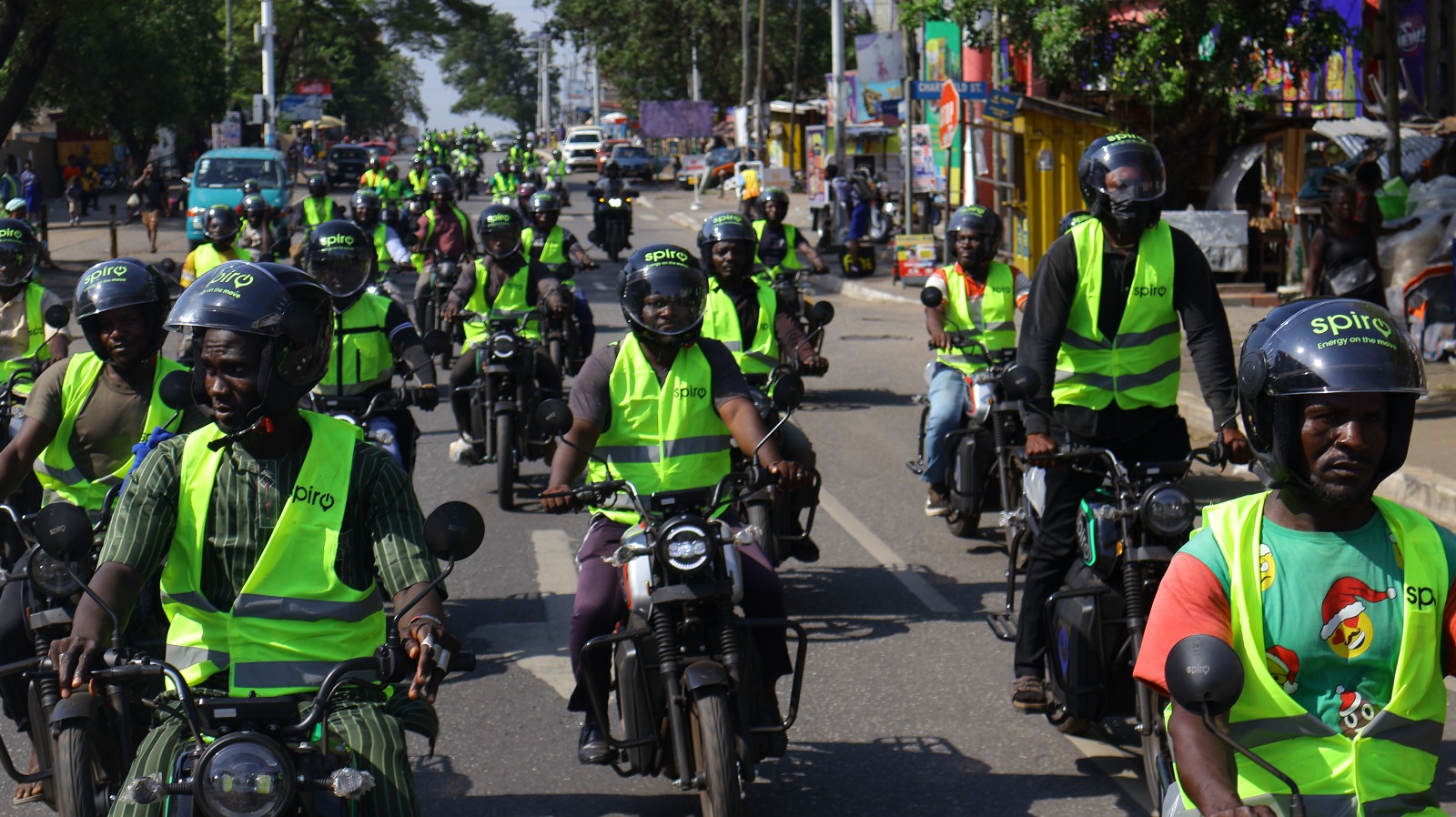
Spiro has announced its entry into Ghana with the Ekon 450 M1 V3 electric motorcycle and a battery-swapping system designed to keep commercial riders on the road while reducing their dependence on petrol.
The expansion introduces an electric mobility model that combines the vehicle with access to charged batteries. Rather than waiting for a motorcycle battery to recharge, riders can exchange a depleted battery for a fully charged one at a designated swapping station.
Spiro says the exchange takes approximately two minutes and that riders could save up to US$2 per day in operating costs compared with petrol-powered motorcycles. Actual savings will depend on daily mileage, electricity and petrol prices, battery-swapping fees, maintenance costs and the rider’s operating pattern.
The company is initially engaging prospective customers through test rides and demonstrations of the motorcycle and battery-swapping system across Greater Accra.
Battery swapping addresses charging downtime
For commercial motorcycle operators, vehicle availability directly affects daily earnings. Conventional electric motorcycles may need extended periods connected to charging equipment, limiting their usefulness for riders who spend much of the day on the road.
Battery swapping offers an alternative. Instead of waiting for the battery fitted to the motorcycle to recharge, the rider exchanges it for a charged unit and resumes work.
The model shifts part of the charging process from the individual rider to a network of battery-swapping stations. These facilities must maintain a supply of charged batteries, manage charging cycles and monitor battery condition to ensure that units are available when needed.
The system also introduces operational requirements around battery inventory, station location, charging capacity and the movement of depleted batteries. Its effectiveness depends on the availability of swapping points along routes used by commercial riders, as well as the number of charged batteries maintained at each station.
For delivery fleets and other high-utilisation operators, the potential benefit is reduced time spent off the road. The extent of that benefit will depend on network coverage, demand at individual stations and the reliability of the battery-swapping service.
Operating costs and infrastructure will shape adoption
Spiro’s Ghana rollout targets a market in which motorcycles serve commercial transport and delivery needs. The company is positioning electric motorcycles as an alternative for riders seeking to manage fuel expenditure and reduce operating downtime.
However, the economics of electric mobility extend beyond the purchase price of the motorcycle. Riders must also consider the cost of accessing charged batteries, battery-related fees, maintenance, financing and the availability of service support.
For the operator, the infrastructure must support sufficient charging capacity without creating bottlenecks during periods of high demand. Battery management systems, charging equipment, electrical connections and procedures for identifying damaged or degraded batteries are all important to the reliability of the network.
The environmental benefits will also depend partly on how the electricity used to charge the batteries is generated and how batteries are maintained, reused and eventually recycled.
A battery-swapping network therefore involves more than installing charging stations. It requires coordinated management of vehicles, batteries, energy supply and customer demand.
Ghana joins Spiro’s wider African expansion
Spiro says its entry into Ghana forms part of a broader expansion strategy across African markets. The company recently announced a US$270 million equity funding round and an additional US$18 million in debt financing from the Africa Go Green Fund.
It aims to establish operations in 20 African markets and is preparing further entries into Ethiopia, Malawi, Mali and the Democratic Republic of Congo.
Auroasish Choudhuri, Managing Director for Central and West Africa, said the company intends to build a local ecosystem that combines electric motorcycles with convenient access to battery swapping and support from local partners.
Kaushik Burman, Spiro’s CEO Mobility, identified operating costs and access to charging infrastructure as key barriers the company seeks to address through its integrated model.
The company is also conducting demonstrations in Greater Accra to introduce riders to the Ekon 450 M1 V3 and familiarise them with the battery-swapping process.
For Ghana and other African markets considering electric two-wheelers, the rollout will provide another example of how transport electrification can be built around shared energy infrastructure rather than relying exclusively on individual vehicle charging.
The longer-term performance of the model will depend on the affordability of the motorcycles and battery services, the reliability of the swapping network and its ability to expand alongside demand from commercial riders.

-
Product on sale
 AWEBook Volume 2Original price was: KShs 3,500.00.KShs 3,000.00Current price is: KShs 3,000.00.