Last Updated 4 hours ago by Kenya Engineer
The development of smart cities in Kenya must be accompanied by stronger professional oversight, enforcement of engineering standards and greater accountability among practitioners, the Engineers Board of Kenya (EBK) has said.
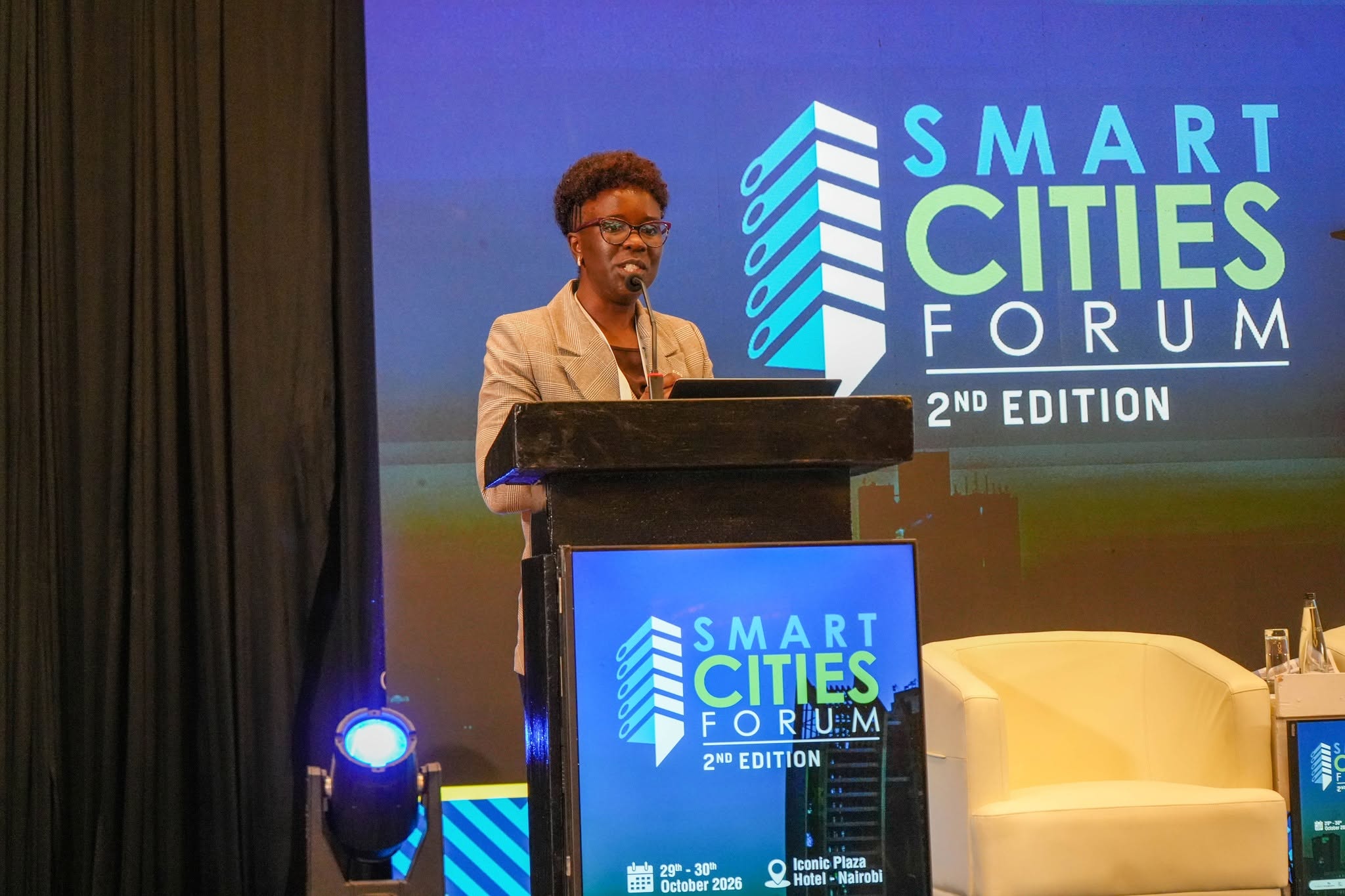
Speaking at the opening of the second edition of the Smart Cities Forum 2026 in Nairobi, EBK Acting Registrar/Chief Executive Officer Eng. Grace Onyango emphasised that cities cannot be considered smart if their buildings and infrastructure are unsafe.
She called for increased capacity and enforcement among professional institutions, highlighting the role of regulatory and compliance frameworks in ensuring that engineering work is undertaken by appropriately registered professionals and meets applicable technical and professional standards.
The Board’s message places professional regulation at the centre of Kenya’s smart city ambitions, at a time when urban development increasingly incorporates digital technologies, intelligent infrastructure and interconnected public services.
A smart city requires more than digital connectivity, automated systems and technology-enabled service delivery. Its foundations remain the physical infrastructure that supports urban life, including buildings, roads, drainage systems, water supply networks, electricity distribution and public facilities. These assets must be properly designed, constructed, inspected and maintained to ensure public safety and long-term reliability.
For engineering regulators, this presents a responsibility that extends beyond professional registration. Effective oversight requires the capacity to monitor professional practice, enforce compliance, address unqualified practice and ensure that engineering services meet established standards throughout the project lifecycle.
The second edition of the Smart Cities Forum was held on 29–30 October 2026 at Iconic Plaza Hotel in Nairobi, under the theme Regenerating Our Cities: From Urban Challenges to Smart, Sustainable and Inclusive Futures. The event brought together stakeholders from government, professional institutions, the built environment, academia and the private sector to explore approaches to urban transformation.
Discussions at the forum covered the role of technology, innovation, planning and partnerships in addressing the pressures facing African cities. These include growing demand for infrastructure and public services, urban mobility challenges, environmental sustainability and the need for more inclusive development.
Kenya’s smart city agenda also presents an opportunity to rethink how engineering expertise is integrated into urban planning and infrastructure delivery. Emerging technologies can improve the monitoring and management of infrastructure, but their effectiveness depends on the quality of the underlying engineering systems and the institutions responsible for regulating them.
The challenge, consequently, is to ensure that innovation is matched by sound engineering practice, competent professionals and regulatory systems capable of keeping pace with the complexity of modern urban development.
As Kenya pursues smarter and more sustainable cities, the effectiveness of its professional institutions will remain an important factor in determining whether new developments deliver safe, resilient and reliable infrastructure for the people who use them.

-
Product on sale
 AWEBook Volume 2Original price was: KShs 3,500.00.KShs 3,000.00Current price is: KShs 3,000.00.