Last Updated 13 years ago by Kenya Engineer
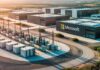
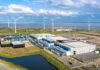
Cement industry faces competition and likely battles amongst cement manufacturers for Kitui’s treasure, its huge limestone deposits and proximity to the Mui basin, which has large coal reserves offering a convenient source of energy. Athi River Mining (ARM) Cement is set to build Kenya’s biggest plant in Kitui County and other plants elsewhere in the country whereas in September Aliko Dangote, Africa’s richest man stated plans to open a Sh34.8 billion ($400 million) plant in Kenya.
With most cement firms turning to coal to power their machines as opposed to expensive oil fuel, which is prone to price instability, a plant’s proximity to the reserves is an added advantage over the company’s rivals.
After Dangote announced during his September trip that he would invest $400m in a cement plant in Kenya’s Kitui County, local cement makers were roused to action.
According to a note from financial services firm Imara Africa Securities,East African Portland Cement and other firms including Bamburi Cement and ARM rushed to Kitui to seal deals with the local government to take control of resources in the area.
Currently, Kenyan cement makers import coal from South Africa.
“Dangote told us he needs 1,000MW of energy, which we don’t have. So we are looking to put up a 960MW coal plant in Kitui,” explained Kenya’s cabinet secretary for energy Davis Chirchir, adding that Kenya’s government will soon ask for expressions of interest from investors to build it.
ARM will raise up to Sh25.5 billion ($300 million) to fund the new plants including the Kitui unit that is anticipated to produce 8,000 tonnes of cement per day making it the single largest cement factory in the country and superior to the unit planned by Dangote that will have a daily capacity of about 5,500 tonnes.
“We plan to start construction of the Kitui plant late next year. It is a major development for us,” said Pradeep Paunrana, ARM’s chief executive in an interview.
According to Mr. Paunrana the firm will raise up to Sh25.5 billion to fund the Kitui plant and other planned factories over the next five years which will be done through a mix of bank loans, corporate bonds and rights issues. He added that the board is yet to arrive at the share of debt and equity.
Kenya produced 4.7 million tonnes of cement last year, up from 2.8 tonnes in 2008, according to the Kenya National Bureau of Statistics (KNBS). ARM posted a 28 per cent rise in net profit for the nine months to September, boosted by higher sales. Its net profit stood at Sh1.53 billion in the period, driven by a 32 per cent jump in sales to Sh10.2 billion. Its share has gained 30.7 per cent over the past six months to Sh85. Portland Cement is up 42 per cent in the period while Bamburi has shed 8.2 per cent.
-
Product on sale AWEBook Volume 2Original price was: KShs 3,500.00.KShs 3,000.00Current price is: KShs 3,000.00.