
Last Updated 4 months ago by Kenya Engineer
For Kenyan traders, especially those who think like engineers, picking a platform isn’t about hype, it’s all about precision, speed and control. Here’s how execution quality, charting tools and risk management features actually shape your trading experience.
Trading has become pretty mainstream in Kenya over the past few years. It’s not just for finance pros anymore. Engineers, analysts and tech-focused folks are diving into global markets; forex, commodities like gold and oil and even indices, all from their laptops or smartphones. But not every platform is built the same.
Whenever people in Kenya talk about trading platforms, the conversation mostly starts and ends with fees or flashy marketing. Truth is, seasoned traders go way deeper. They care about how fast trades actually happen, how clear the charts are and whether the platform helps them manage risk when the markets get wild.
These three factors; execution, charting and risk management, can turn trading from something reliable to something unpredictable and frustrating.
Execution speed is the deal breaker nobody talks about
Execution is something traders ignore, until it costs them money. Markets like forex or gold move fast. Prices change in milliseconds. If execution lags, even a little, you could lose a winning trade. The best platforms focus on:
- Low latency order routing.
- Stable servers during peak volatility.
- Minimal requotes and slippage control.
Some brokers push further and offer ultra-fast execution systems that cut delays to almost nothing. For example, there are trading platforms in Kenya serving global markets, including gold and oil, that’s famous for instant withdrawals, super-fast execution and a secure trading environment. Those features really matter: They strip friction out between decision and action, which is exactly what technical traders want.
Why engineers in Kenya look at trading differently
Kenya’s growing community of engineers and technical professionals approaches trading with an analytical mindset. Guesswork doesn’t cut it for them, they want systems that act predictably, even when things get hectic. They’re asking questions like:
- How fast does an order go through when the market’s volatile?
- Do the charting tools really support solid technical analysis?
- Does the platform offer clear risk controls or is everything manual?
For them, trading isn’t random speculation. It’s about system analysis, probability and disciplined execution. Platform quality becomes crucial.
Charting tools is where the real analysis happens
If execution is about speed, charting is all about intelligence. A platform that misses on charting is kind of like an engineering workstation without decent simulation software. It seriously limits what you can test and how deep your analysis goes. Good platforms generally offer:
- Different chart types (candlestick, line, bar charts).
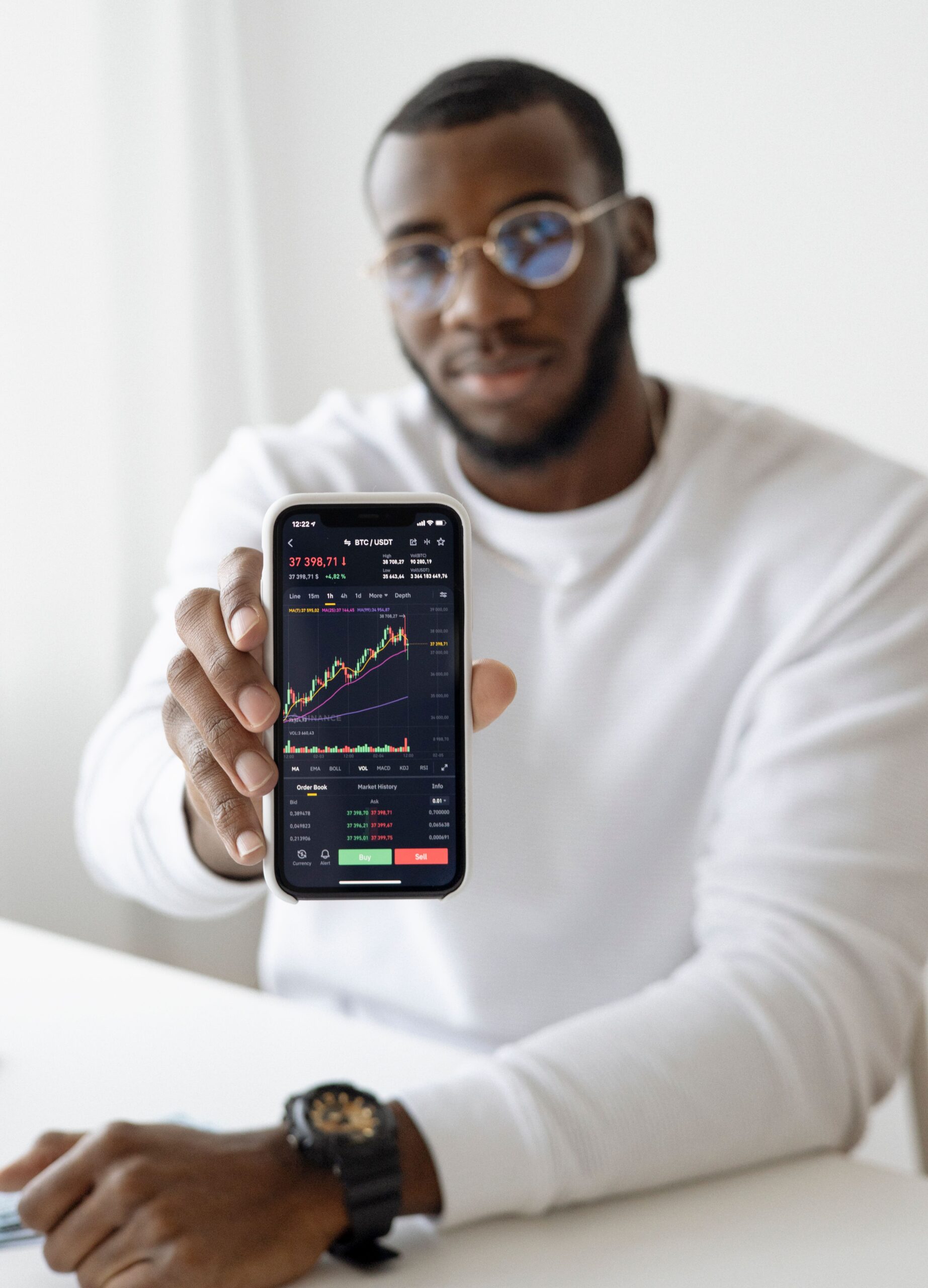
- Custom indicators (moving averages, RSI, MACD).
- Drawing tools (trend lines, channels, Fibonacci levels).
- Multi-timeframe analysis for short- and long-term views.
For Kenyan traders with engineering backgrounds, charting sits at the centre of their decision-making. It’s about patterns, signals and structured analysis, not emotions.
Risk management features is the real safety net
Execution is speed, charting is intelligence, but risk management is survival. Markets can be chaotic. Risk management tools aren’t just nice to have, they’re a must. Strong platforms offer:
- Stop-loss and take-profit settings.
- Negative balance protection.
- Margin level alerts.
- One-click position sizing tools.
- Portfolio exposure breakdowns.
These features help traders avoid massive losses when things go sideways. Engineers really appreciate this, because it’s like having fail-safes in system design. You don’t just build for perfect scenarios, you plan for what could go wrong.
Comparing platforms in practise
Beginners often focus on bonuses or sign-up perks. More experienced Kenyan traders do it differently. They test things like:
- Order execution during news events.
- Chart responsiveness when things get busy.
- How fast they can adjust risk settings.
- If the platform stays consistent across mobile and desktop.
This practical approach is more like engineering quality assurance than casual investing. Some platforms stand out because they pair solid technical performance with easy-to-use features.
Why comparing trading platforms is a bigger deal than ever
With more Kenyans getting into trading, platform competition has really ramped up. Sounds great, but now the choice feels tougher. If you don’t compare properly, you risk:
- Using platforms with slow execution.
- Relying on weak charting tools.
- Getting hit with surprise losses from poor risk controls.
- Overpaying with hidden spreads or fees.
When milliseconds and tiny price moves count, these problems add up fast. For engineering-minded traders, comparing platforms isn’t optional, it’s part of the process. You wouldn’t put a faulty system into production, and the same logic applies in trading.
Platforms are not equal
Trading platforms aren’t all equal. You only see the differences after you start analysing execution, charting and risk management together.
For Kenyan traders, especially those with engineering backgrounds, the smart move is to treat platform selection like an engineering problem. Test performance, measure reliability and get to know how features behave when things get hectic.

-
Product on sale AWEBook Volume 2Original price was: KShs 3,500.00.KShs 3,000.00Current price is: KShs 3,000.00.