

Last Updated 10 months ago by Kenya Engineer
Advanced circuit breakers are crucial to modern industrial infrastructure, ensuring the safety, reliability, and efficiency of electrical systems.
With advancements like smart technology, remote monitoring, and integration with renewable energy sources, these breakers offer real-time fault detection, predictive maintenance, and improved power quality.
They enable automated operations, protect sensitive equipment, and help integrate renewable energy into the grid. As industries become more complex, advanced circuit breakers are essential for minimizing downtime, reducing costs, and supporting sustainable, high-performance systems.
Introduction
The rapid expansion of industrial infrastructure worldwide has brought with it an increasing demand for reliable and safe electrical systems. At the heart of this demand lies a critical component: the circuit breaker. These devices, often invisible in their daily operation, play an essential role in protecting electrical equipment, ensuring system stability, and safeguarding human life in industrial environments. As industries evolve, so do the technologies used to protect them. This evolution has led to the development of advanced circuit breakers, which integrate cutting-edge materials, electronics, and control technologies.
This article explores the role of advanced circuit breakers in modern industrial infrastructure. It delves into their functionality, types, technological advancements, benefits, and the key applications in which they have become indispensable. The overarching aim is to highlight how these critical components are reshaping industrial electrical systems and contributing to more efficient, safer, and sustainable operations.
Understanding Circuit Breakers
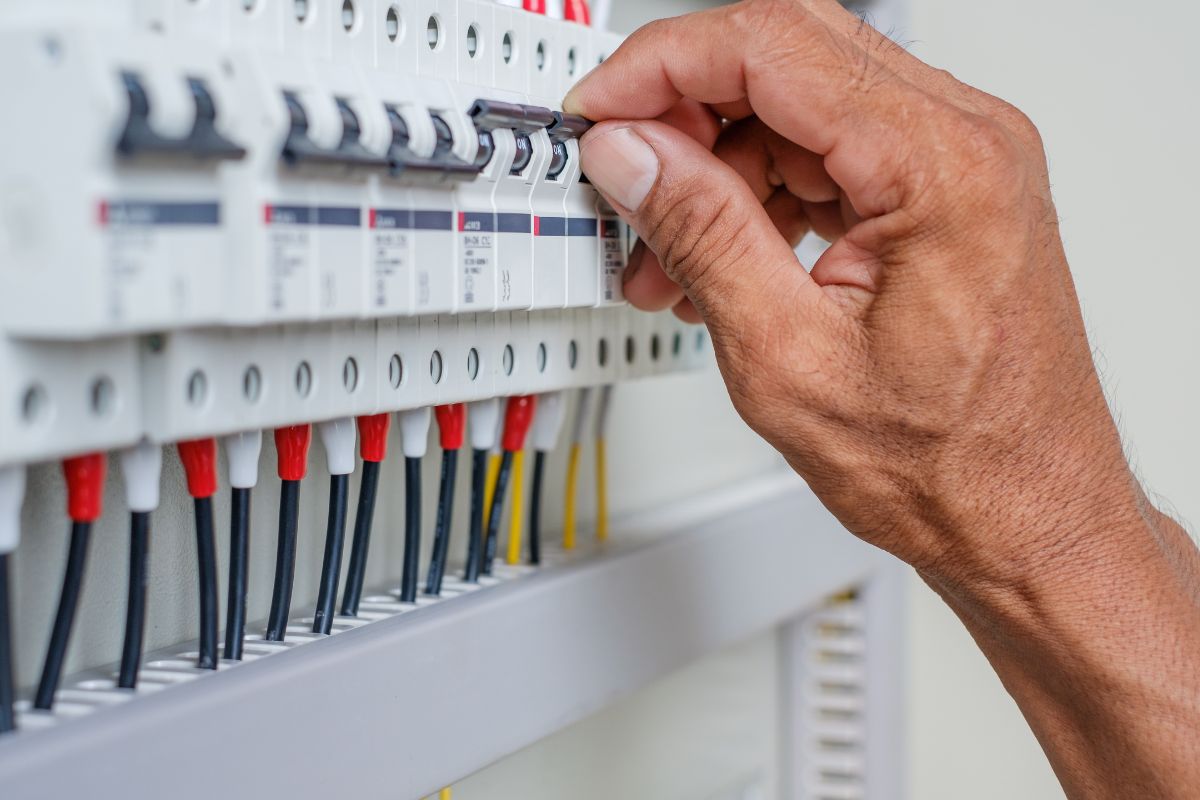
To appreciate the significance of advanced circuit breakers, it is important first to understand what a circuit breaker is and how it functions. A circuit breaker is an automatic electrical switch designed to protect an electrical circuit from damage caused by excess current or short circuits. Essentially, it is a safety device that interrupts the flow of electricity when a fault or overload occurs.
The primary role of a circuit breaker is to prevent damage to electrical equipment, prevent fires, and ensure the safety of personnel working with electrical systems. They accomplish this by detecting abnormalities such as overloads, short circuits, or ground faults. Once a fault is detected, the breaker quickly interrupts the current, stopping the flow of electricity to prevent further damage.
Types of Circuit Breakers
Circuit breakers are generally classified into two major categories: low-voltage and high-voltage circuit breakers. Within these categories, there are several specific types designed to address particular applications and requirements.
1. Low-Voltage Circuit Breakers (LVCBs)
These circuit breakers are typically used in residential, commercial, and industrial applications where the voltage does not exceed 1,000 V. They are primarily used to protect smaller circuits and are commonly found in distribution boards. Low-voltage breakers are compact, reliable, and easy to install, making them ideal for both protection and control purposes in a variety of industrial settings.
2. Medium-Voltage Circuit Breakers (MVCBs)
Medium-voltage breakers are used in electrical systems where the voltage range is between 1 kV and 72.5 kV. These types of circuit breakers are vital in ensuring the stability and protection of distribution systems, power plants, substations, and industrial facilities. Medium-voltage breakers are typically used to protect motors, transformers, and large machinery.
3. High-Voltage Circuit Breakers (HVCBs)
High-voltage circuit breakers operate in electrical systems with voltages exceeding 72.5 kV. These are found in transmission lines and are designed to handle the high energy levels associated with the transmission of electricity over long distances. HVCBs play a critical role in maintaining the integrity of power grids and preventing damage to transmission and generation equipment.
The Evolution of Circuit Breakers: Advancements in Technology
The development of circuit breakers has been closely tied to advancements in electrical engineering. In modern industrial infrastructure, the need for increased efficiency, reliability, and safety has driven the development of advanced circuit breakers with enhanced features and capabilities.
1. Smart Circuit Breakers
Smart circuit breakers represent a significant leap forward in the functionality of traditional breakers. These devices are integrated with digital technologies, allowing them to monitor and analyze electrical systems in real-time. Smart circuit breakers can communicate with other devices in the grid, allowing for the detection of faults, system abnormalities, and energy usage trends.
Smart breakers often include features such as remote monitoring, diagnostics, and automated operation. For instance, they can send alerts to operators in case of a fault or overload and even automatically adjust settings to restore normal system operation. The ability to communicate with central control systems has made smart breakers an essential component in modern industrial infrastructure, particularly in automated and smart factories.
2. SF6 Circuit Breakers
Sulfur hexafluoride (SF6) circuit breakers are a type of high-voltage circuit breaker that uses SF6 gas as an insulating medium. SF6 has excellent dielectric properties, which make it ideal for interrupting high current flows in high-voltage systems. These breakers are commonly used in power plants, substations, and large industrial facilities.
The advantages of SF6 circuit breakers include high performance, reliability, and a long operational life. However, there are environmental concerns regarding the use of SF6 due to its potential impact on global warming. As a result, industries are increasingly focusing on alternative technologies to replace SF6 breakers with more eco-friendly options.
3. Vacuum Circuit Breakers (VCBs)
Vacuum circuit breakers are another advanced type of circuit breaker used primarily in medium-voltage applications. These breakers use a vacuum as the arc-quenching medium, making them highly efficient and environmentally friendly. The vacuum interrupts the electrical arc that forms when the contacts of the breaker open, preventing damage to the system.
The main benefits of VCBs are their compact size, low maintenance requirements, and high reliability. These circuit breakers are commonly used in industrial applications such as motors, transformers, and switchgear.
4. Magnetic Circuit Breakers
Magnetic circuit breakers use an electromagnet to trip the breaker when an overload or short circuit occurs. These devices are particularly useful in protecting equipment from instantaneous faults, as the electromagnet responds very quickly to electrical surges. Magnetic circuit breakers are often used in applications where rapid response times are critical.
5. Solid-State Circuit Breakers
Solid-state circuit breakers are a newer and cutting-edge technology that uses semiconductor components such as diodes, transistors, and thyristors to perform the circuit-breaking function. These breakers have the advantage of faster response times and precise control over the interruption of electrical currents. Solid-state breakers are ideal for protecting sensitive electronic equipment and are increasingly used in high-performance industrial applications.
The Role of Advanced Circuit Breakers in Industrial Infrastructure
In modern industrial infrastructure, electrical systems are becoming more complex and interconnected. The sheer scale of many industrial operations, along with the growing importance of automation, requires that electrical protection systems be more sophisticated than ever before. This is where advanced circuit breakers come into play.
1. Enhancing Safety
Safety is one of the most important aspects of any industrial operation. Advanced circuit breakers are designed to detect faults quickly and accurately, preventing the risk of fires, electrical shocks, and equipment damage. By interrupting the electrical current during overloads or short circuits, circuit breakers help prevent damage to personnel and vital equipment.
In industries where high voltages and large currents are involved, such as in manufacturing, oil and gas, and energy production, the role of circuit breakers becomes even more critical. With advanced breakers, these industries can ensure the safety of workers and reduce the risk of catastrophic failures that could result in downtime or loss of life.
2. Improving System Reliability and Efficiency
Industrial operations rely heavily on a continuous and reliable supply of electricity. Any interruption in the power supply can cause significant production delays, equipment damage, and financial loss. Advanced circuit breakers, particularly those integrated with digital monitoring systems, help ensure the stability and reliability of electrical grids.
These breakers can detect faults before they escalate into major issues. In many cases, they can also isolate the problem area and reroute power to other sections of the system, thus minimizing downtime. This level of automation and real-time monitoring is essential in modern industrial environments, where efficiency and uptime are critical.
3. Integration with Smart Grids
As industries transition to smart grids, circuit breakers are evolving to support these more advanced systems. Smart grid technology enables the integration of renewable energy sources, such as solar and wind, into the power grid. However, the dynamic and variable nature of these energy sources requires that the grid be capable of responding to sudden fluctuations in power supply and demand.
Advanced circuit breakers play a central role in this process by providing real-time data about system conditions, such as voltage, current, and power quality. By working in tandem with other grid components, they ensure that the electrical system remains stable and efficient, even in the face of unpredictable changes in energy input.
4. Preventing Equipment Damage
The protection of electrical equipment is paramount in any industrial setting. Overvoltage, undervoltage, and short circuits can cause irreversible damage to motors, transformers, switchgear, and other equipment. Advanced circuit breakers help prevent this by accurately detecting faults and disconnecting power before it can cause significant harm.
Furthermore, modern breakers are capable of handling higher fault currents and more complex protection schemes, which makes them suitable for industrial applications that demand a high level of electrical performance and protection.
5. Environmental Benefits
As mentioned earlier, SF6 circuit breakers, while highly effective, pose environmental concerns due to the greenhouse gas properties of SF6. However, there is an increasing shift towards more eco-friendly alternatives, such as vacuum circuit breakers and air-insulated circuit breakers. These technologies help reduce the carbon footprint of industrial operations and align with global sustainability goals.
By using advanced materials and eco-friendly technologies, advanced circuit breakers are contributing to the reduction of harmful emissions and helping industries meet regulatory and environmental standards.
The Impact of Advanced Circuit Breakers on Industrial Automation
The rise of industrial automation, powered by advancements in technology, has revolutionized how industries function. This evolution has introduced new levels of complexity, where traditional manual operations have been replaced by sophisticated, automated systems. In such settings, the role of advanced circuit breakers has become even more critical.
As industries move towards automation, the need for precise control over electrical systems and equipment has intensified. Automated systems are highly sensitive to power fluctuations, and even the slightest interruption can result in production delays or equipment malfunctions. Advanced circuit breakers address this by offering real-time fault detection, which helps maintain uninterrupted automation processes.
Moreover, modern circuit breakers can integrate with control systems to facilitate automatic resetting or rerouting of power after a fault is detected. This ability ensures that automated processes continue without significant intervention, which is crucial in automated industrial plants where downtime can be highly costly. By seamlessly communicating with control systems, advanced circuit breakers help ensure that automated operations proceed smoothly, contributing to enhanced overall productivity and system reliability.
Circuit Breakers in Renewable Energy Integration
One of the most significant challenges in modern electrical infrastructure is the integration of renewable energy sources, such as solar and wind, into the existing power grid. Unlike traditional power plants, renewable energy sources are intermittent, meaning they do not provide a constant and reliable energy supply. This variability introduces the need for more flexible and adaptive electrical systems.
Advanced circuit breakers play a crucial role in managing the integration of renewable energy into power grids. They help balance the grid by quickly responding to fluctuations in power supply. For instance, when a surge in energy generation occurs due to strong winds or increased sunlight, circuit breakers can prevent overloading of the grid by interrupting the power flow at precisely the right moment. This capability allows for the seamless integration of renewable energy into existing infrastructure while maintaining grid stability.
In addition, advanced circuit breakers can communicate with smart meters and other grid management technologies to adjust their operations in response to changes in energy supply and demand. This adaptability is essential in maintaining grid reliability while incorporating renewable energy sources.
The Role of Advanced Circuit Breakers in Electric Vehicles (EVs)
The global shift toward electric vehicles (EVs) has introduced new demands on electrical infrastructure, particularly in terms of charging stations. Electric vehicles require substantial electrical power to charge their batteries, and the rapid expansion of EV charging stations has put additional strain on electrical grids, particularly in urban areas.
Advanced circuit breakers are playing an essential role in managing these power requirements. With the growing number of EV charging stations, electrical systems must be capable of managing high loads and handling potential overloads or short circuits. Circuit breakers specifically designed for EV charging stations can handle these fluctuations by rapidly disconnecting the power in the event of a fault. This is especially important to avoid damage to the charging infrastructure and to prevent potential fire hazards.
Moreover, circuit breakers used in EV charging stations can also be equipped with communication capabilities that allow operators to monitor power usage in real-time. This can help identify when circuits are nearing their capacity limits, thus avoiding overloads and ensuring that the charging infrastructure operates safely and efficiently.
Enhancing Power Distribution in Industrial Environments
In large industrial plants, the electrical distribution system is often complex, with multiple power sources, substation equipment, transformers, and motors all requiring protection. One of the challenges in such environments is ensuring the system is well-protected against faults without unnecessarily interrupting the entire operation. Advanced circuit breakers help solve this issue by providing more granular control over which parts of the electrical system are disconnected during a fault.
Instead of shutting down the entire power grid in case of a fault, advanced circuit breakers can isolate the affected section of the system, allowing the rest of the plant to continue operating. This selective tripping feature minimizes downtime and ensures that industrial processes are only disrupted in the event of a significant fault, while less critical issues can be handled without compromising overall production.
Additionally, advanced circuit breakers in power distribution networks can be programmed to respond based on real-time monitoring of power flows and system conditions. For example, if a system is at risk of an overload, the breaker can be preemptively tripped to avoid more serious consequences. This predictive capability is a valuable addition to the safety protocols of modern industrial environments.
Remote Monitoring and Diagnostics
The ability to remotely monitor and diagnose circuit breakers has transformed their role in industrial infrastructure. In traditional systems, operators had to manually inspect breakers and other equipment to detect faults or maintenance needs. This process was not only time-consuming but also posed safety risks, as operators had to be physically present near high-voltage equipment.
With advanced circuit breakers, remote monitoring has become a reality. These breakers are equipped with sensors and communication interfaces that allow them to transmit data about their operational status to centralized monitoring systems. Operators can now monitor the performance of circuit breakers from a distance, receiving real-time information about the health of the electrical system. This remote monitoring allows for quicker detection of potential issues, which can then be addressed before they escalate into more significant problems.
Furthermore, advanced circuit breakers are often equipped with self-diagnostic features, which continuously assess the breaker’s condition. This allows for proactive maintenance, as issues can be identified and addressed before they lead to equipment failure. This diagnostic capability extends the lifespan of the breakers and reduces the need for emergency repairs, thus minimizing operational costs.
Addressing Power Quality Issues
Maintaining high-quality power is essential in industrial environments, as electrical systems are sensitive to fluctuations in voltage, current, and frequency. Power quality issues, such as voltage sags, harmonics, and transients, can result in equipment malfunctions, process disruptions, and even damage to sensitive electronics.
Advanced circuit breakers can help address power quality issues by incorporating filtering and protection technologies. For example, some circuit breakers include features that reduce harmonic distortion, which can occur when non-linear loads, such as variable-frequency drives (VFDs) or rectifiers, are present in the electrical system. By mitigating harmonic distortion and other power quality issues, advanced breakers help ensure that equipment operates smoothly, which is particularly important in industries where precision and reliability are crucial.
In addition, some advanced circuit breakers come with surge protection capabilities. This protects sensitive equipment from voltage spikes caused by lightning strikes or other external disturbances. Surge protection ensures that industrial systems continue to operate even in the face of external electrical threats.
Long-Term Sustainability and Cost Efficiency
As industries focus more on sustainability, there is a growing emphasis on cost-effective and energy-efficient solutions. Advanced circuit breakers contribute to this goal by improving the energy efficiency of industrial electrical systems and reducing long-term maintenance costs.
By preventing overcurrent conditions, minimizing unnecessary power interruptions, and extending the lifespan of electrical equipment, advanced circuit breakers reduce the overall cost of ownership of an industrial power distribution system. Additionally, their integration into energy management systems allows for more efficient power consumption by ensuring that energy is only used when necessary.
Advanced breakers can also help in reducing the carbon footprint of industrial operations. By enabling the integration of renewable energy sources into the power grid, improving power quality, and minimizing downtime, circuit breakers support the broader sustainability goals of industrial sectors.
Conclusion
Advanced circuit breakers are indispensable components of modern industrial infrastructure. They provide enhanced safety, reliability, and protection in increasingly complex electrical systems. From smart circuit breakers that offer real-time monitoring and diagnostics to eco-friendly alternatives that reduce environmental impact, these devices are central to the efficient operation of industrial facilities worldwide.
As industries continue to evolve, the role of circuit breakers will only become more critical. They are essential not only for protecting equipment and personnel but also for enabling the transition to smarter, more sustainable electrical grids. The continued development and integration of advanced circuit breakers will ensure that modern industrial infrastructure remains safe, efficient, and resilient in the face of growing demands and challenges.

-
Product on sale
 AWEBook Volume 2Original price was: KShs 3,500.00.KShs 3,000.00Current price is: KShs 3,000.00.