Last Updated 13 years ago by Kenya Engineer
Southern Sudan has announced that it is pressing ahead with studies into new oil pipelines to Kenya and Djibouti following a deal to restore exports through onetime civil war foe Sudan.
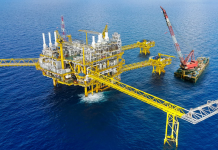
The country has hired German firm, ILF consulting Engineers to assess the feasibility of pipelines to Lamu in Kenya and through Ethiopia to Djibouti. The pipeline to Djibouti will serve large potential oil reserves in eastern Jonglei state – a remote region struggling with an insurgency and violent tribal clashes.
The pipeline between Lamu and Juba measures 2000 kilometers and is expected to cost $3 billion. It will be supported by a Japanese car maker, Toyota Tsusho Corporation (Toyota Tsusho). Construction is expected to begin in June this year and last for two years. The pipeline will transport between 700,000 barrels and 1 million barrels of Southern Sudanese crude per day. The new state has 7 billion in proven reserves.
Sudan and South Sudan earlier this month agreed to resolve bitter border and security disputes, a deal which would let Juba restart oil production and export through pipelines in Sudan. The landlocked state had shut down its 350,000 barrel-per-day crude output in January last year in a row with Sudan over pipelines fees as well as claims its northern neighbor confiscated millions of barrels of crude.
In February 2012, Djibouti, South Sudan, and Ethiopia signed a Memorandum of Understanding (MoU) to build a pipeline, railway and fibre optic cable line from Djibouti to Juba via Ethiopia.
The country has dismissed concerns that the project was unfeasible due to high costs, as well as claims the moves were only meant to cut oil links with Khartoum. Juba also recently agreed to build roads through Ethiopia to Djibouti to transport crude in trucks.

-
Product on sale AWEBook Volume 2Original price was: KShs 3,500.00.KShs 3,000.00Current price is: KShs 3,000.00.