Last Updated 9 months ago by Kenya Engineer
In construction, some of the most expensive mistakes are not dramatic failures—they are quiet defects hidden inside concrete. Honeycombing in columns is one such example.
Let’s break this down using simple logic, practical site experience, and best engineering practice.
Understanding Honeycombing: Why Concrete Must Act as One
Imagine you put ice cubes in water and pour the mixture from a height. Which reaches the bottom first?
The heavier material—the ice cubes.
The same principle applies to concrete.
Concrete is not just “cement.” It is a carefully balanced composite of:
-
Cement
-
Fine aggregate (sand)
-
Coarse aggregate (stones)
-
Water
When properly mixed, these components form a viscous, cohesive mass. Each ingredient depends on the others. Remove one—or allow them to separate—and concrete immediately loses its strength and integrity.
What Is Honeycombing?
Honeycombing occurs when:
-
Coarse aggregate settles at the bottom or sides of formwork
-
Cement paste and sand fail to fill all voids
-
Air pockets remain trapped within the concrete
The result is a rough, stone-exposed surface that resembles a honeycomb.
But honeycombing is not just an appearance issue.
Why Honeycombing Is Dangerous
A honeycombed column or beam:
-
Has reduced compressive strength
-
Allows easy penetration of water and air
-
Accelerates reinforcement corrosion
-
Compromises load transfer
-
Shortens the overall lifespan of the structure
In simple terms, the concrete elements begin to “live isolated lives” inside the column instead of acting together as one unit.
And in structural engineering, unity is strength.
What Causes Honeycombing on Site?
The most common causes include:
-
Pouring concrete from excessive heights
This leads to segregation, where stones fall first and paste lags behind. -
Poor compaction
Air remains trapped between aggregates. -
Stiff or poorly designed mixes
Especially with low workability and insufficient paste. -
Congested reinforcement
Concrete cannot flow and fill gaps between bars.
Best Practices to Prevent Honeycombing
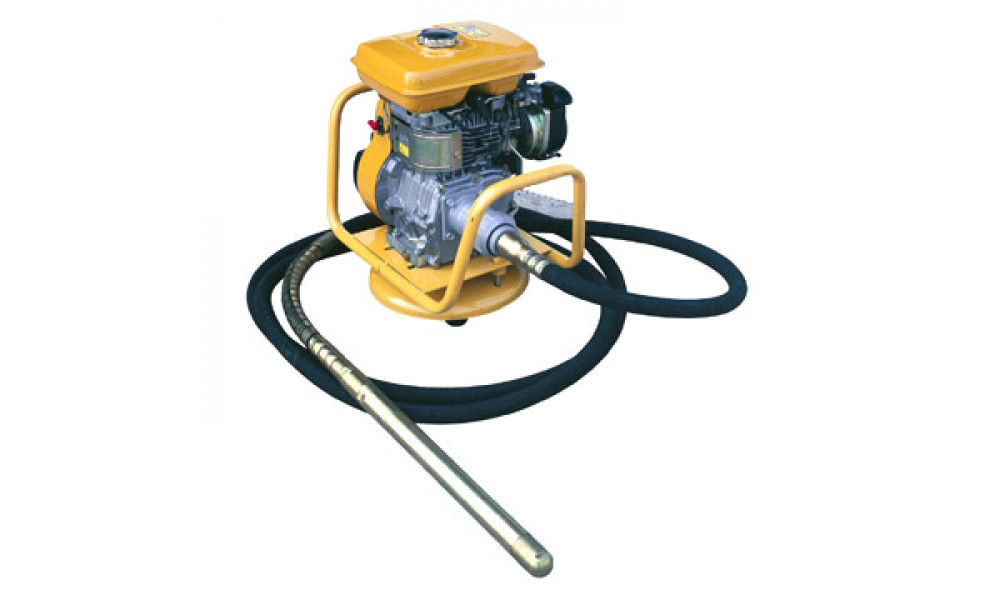


Every fundi and site supervisor should internalize the following:
1. Use a Concrete Vibrator (Poker or Needle Vibrator)
-
Vibrators remove trapped air
-
Help concrete flow around reinforcement
-
Ensure full contact with formwork
Vibration is not optional—it is structural insurance.
2. Cast Columns and Walls in Lifts (Layers)
-
Avoid pouring concrete from excessive heights
-
Cast in manageable layers (300–450 mm)
-
Vibrate each layer before adding the next
3. Control Pour Height
-
Use chutes, tremie pipes, or buckets
-
Keep drop heights as low as possible
4. Use the Correct Mix Design
-
Ensure proper workability
-
Avoid adding excess water on site (a common but dangerous habit)

-
Product on sale
 AWEBook Volume 2Original price was: KShs 3,500.00.KShs 3,000.00Current price is: KShs 3,000.00.