


Last Updated 9 months ago by Kenya Engineer
The Kenya Private Sector Alliance (KEPSA) has commended the U.S. Congress for passing the African Growth and Opportunity Act (AGOA) Extension Act, a legislative measure that, if signed into law, will extend duty-free market access for eligible African exports to the United States through December 31, 2028. The extension would expand the number of eligible African countries from 21 to 24, according to KEPSA’s statement.
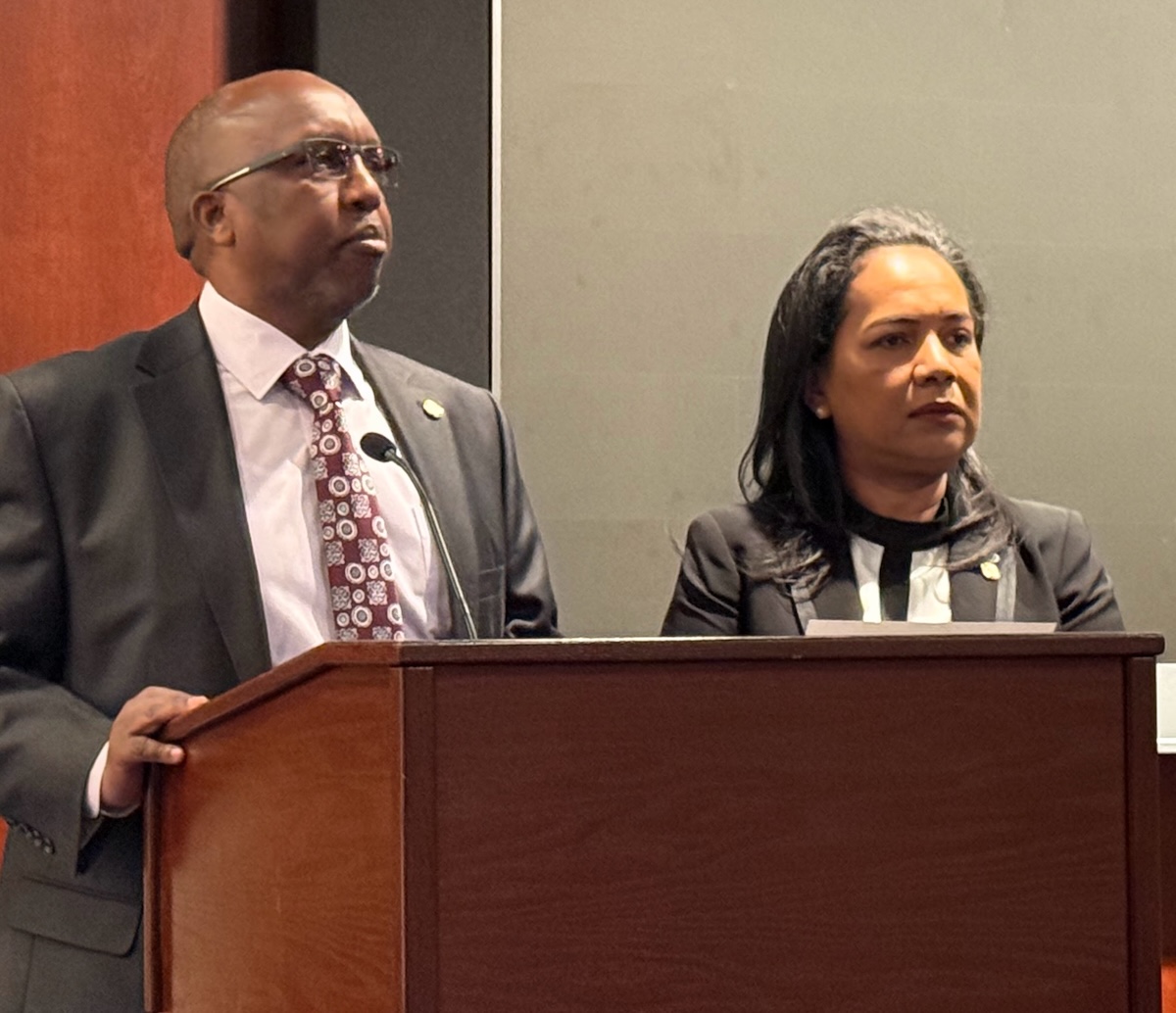
“We welcome this move by the U.S. Congress and appreciate its continued commitment to strengthening U.S.–Africa trade relations,” said Carole Kariuki, KEPSA CEO, affirming the alliance’s support for ongoing efforts to fully leverage AGOA and to build sustainable trade arrangements that extend beyond the three-year window.
AGOA’s History and Significance
Originally enacted in May 2000 under President Bill Clinton, the African Growth and Opportunity Act was designed as a non-reciprocal trade preference programme to deepen U.S.–Africa economic ties by granting eligible sub-Saharan African countries duty-free access to American markets for thousands of products.
Over the years, AGOA has evolved into a key pillar of U.S. commercial diplomacy with Africa, covering more than 1,800 products from sectors such as textiles, apparel, horticulture, and light manufactures — in addition to preferences under the Generalised System of Preferences.
The legislation was first set to expire in 2008, but was extended through 2015 and later through September 30, 2025. However, due to legislative delays, AGOA lapsed at the end of September 2025, briefly disrupting preferential access and raising concerns about the future of U.S.–Africa trade relations.
A Renewed Push Following Expiry
The expiry of AGOA in late 2025 triggered an immediate increase in tariff burdens on African exports, jeopardising jobs and undermining investor confidence, particularly in Kenya’s key export sectors such as textiles and apparel. Industry analysts noted that the lapse posed a direct threat to thousands of jobs reliant on duty-free access to the U.S. market.
In response, Kenya’s government, business associations, and regional partners launched a strong advocacy campaign in Washington, D.C., stressing AGOA’s role in inclusive growth, employment creation, and broader economic stability. This push included diplomatic engagements and private sector mobilisation aimed at convincing U.S. lawmakers of the program’s mutual benefits.
Implications for Kenya
Kenya is among the countries expected to benefit significantly from the extension. In 2024, Kenyan apparel exports to the U.S. under AGOA were estimated at around $470 million, supporting tens of thousands of jobs in export processing zones — particularly in textiles, agribusiness, and light manufacturing.
An extension through 2028 is projected to safeguard over 65,000 Kenyan jobs, while also helping to sustain investor confidence in export-oriented industries that rely on stable market access to remain competitive.
According to industry data and local commentary, the extension could also open pathways for Kenya to diversify its export base into sectors like coffee, tea, leather goods, chemicals, pharmaceuticals, and digital products, areas that have not yet fully utilised AGOA provisions.
Political and Diplomatic Support
The extension bill — H.R.6500 — AGOA Extension Act of 2025-26 — sailed through the U.S. House of Representatives with a strong majority, winning 340 votes to 54. It now awaits final approval in the Senate and signature by the U.S. President to be enacted into law.
“This extension is important not just for preserving the gains of the export community but also for deepening the broader U.S.–Kenya partnership,” said Hon. Lee Kinyanjui, EGH, Cabinet Secretary, Ministry of Investments, Trade and Industry, emphasising ongoing discussions aimed at negotiating a more comprehensive bilateral trade agreement with the United States. Such a deal, if realised, would further expand market opportunities and economic cooperation beyond AGOA’s framework.
Towards a Broader Trade Framework
While the extension brings welcome certainty in the short term, trade experts and policymakers have underscored the need for a stable, long-term arrangement that transcends temporary renewals. Kenya has also been advancing initiatives under the African Continental Free Trade Area (AfCFTA) to diversify into regional markets and reduce dependency on any single external market.
For now, the AGOA extension represents a pragmatic step in sustaining export competitiveness, maintaining investor confidence, and anchoring a vital trade partnership between Kenya and the United States. With negotiations on a potential bilateral trade agreement underway, stakeholders remain cautiously optimistic that this historic trade link can evolve into a more durable and mutually beneficial framework.

-
Product on sale
 AWEBook Volume 2Original price was: KShs 3,500.00.KShs 3,000.00Current price is: KShs 3,000.00.
















 Extension Act)