Last Updated 14 years ago by Kenya Engineer
Plans to import cheap electricity from Ethiopia have received a major boost after the Government acquired Sh37.5 billion from the World Bank through a syndicated loan.
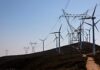
The loan will finance the construction of the 1,045km transmission line that will connect the two countries, and enable Kenya import some 400 MW from Ethiopia from 2016. The electricity will cost Sh0.07 per kilowatt-hour.
Finance Minister Njeru Githae said implementation of the Ethiopia – Kenya Power Interconnector is critical in facilitating power trade between the two countries, something that should translate cheaper and accessible electricity for Kenyans.
“When this project is complete, Kenyans will benefit from low cost power from Ethiopia and hence reduce the cost of doing business,” he said during the signing agreement at the Treasury.
The loan is part of a cumulative credit amounting to Sh52 billion that the country will receive from the World Bank to finance various projects.
Support Judiciary
While the Sh37.5 billion will do towards the electricity project, Sh10.2 billion will go to the Judiciary to support reforms and improve delivery of justice and another Sh3.4 billion will support activities under the Infrastructure Finance Public Private Partnership Project (IFPPP).
The syndicated loan, which will attract an interest rate of 0.75 per cent, has a 10-year grace period and 30 years repayment period. World Bank Country Director Johannes Zutt signed on behalf of the bank.
According to Githae, a Government study on the Least Cost Power Development plan has identified power imports from neighboring countries as a cost-effective way to meet rising demand for power in the country, something that makes the interconnector a priority.
The project forms part of the Eastern Electricity Highway Project that will allow the establishment of regional integration of power transmission networks to facilitate power trade in East Africa. Construction is scheduled to commence next year, and end in 2018.
“It is our desired plan that in the long term the power transmission network will be interconnected between countries with energy potential and those with lower energy sources making electricity cheaper and accessible to more people in the region,” he observed.
On the Judiciary component, the Minister said the funds would cater for the implementation of critical reforms to ensure that Kenyans regain confidence in the judiciary.
Among other things, the funds will be used to automate systems in the judiciary so as to accelerate delivery of justice.
The IFPPP component will assist in financing various initiatives geared at improving the participation of private entities in public projects. Already the PPP Bill is before Parliament and its passage is crucial in order to increase private participation in infrastructure projects.
Source: Standard Digital
-
Product on sale AWEBook Volume 2Original price was: KShs 3,500.00.KShs 3,000.00Current price is: KShs 3,000.00.