Last Updated 1 day ago by Kenya Engineer
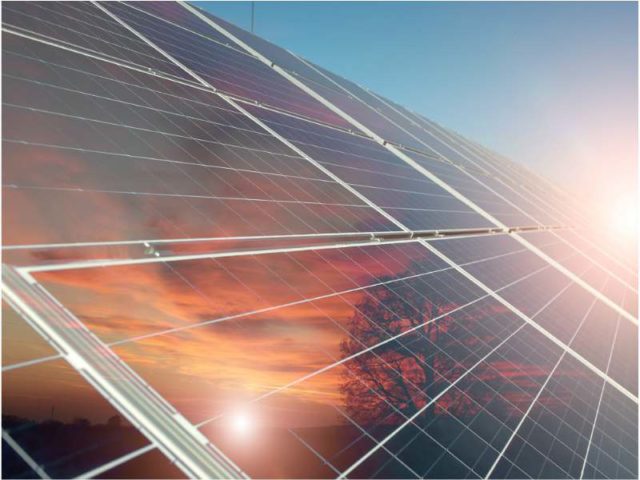
Côte d’Ivoire’s renewable energy expansion is gaining a new financing model with the development of the 66-megawatt Poro Power solar plant in the country’s northern region. The project, under construction near Korhogo, has received international recognition for its financing structure, which brings together African institutional investors through a project-finance green bond.
The transaction won ESG Green Bond Deal of the Year for Africa at the Infra Global ESG Awards 2026 in London. Africa Finance Corporation (AFC), which led the financing, was also named ESG Green Bond Arranger of the Year for Africa.
The facility is scheduled to enter operation in 2027, when it is expected to become Côte d’Ivoire’s largest solar power plant. It is projected to generate approximately 136 gigawatt-hours (GWh) of electricity annually, enough to meet the needs of more than 100,000 households, according to the project developer.
Beyond adding generation capacity, the project illustrates how African financial institutions can mobilise regional capital for large infrastructure developments without relying exclusively on conventional commercial lending or international development finance.
A green bond structured for project finance
The €65 million financing package, equivalent to approximately FCFA 42.6 billion, was raised through a green bond designed to fund infrastructure with environmental benefits. The transaction is reported to be the first project-finance green bond issued in Côte d’Ivoire and the West African Economic and Monetary Union (WAEMU), as well as the country’s first dual-currency green bond.
AFC invested €43 million in February 2026, acting as anchor investor, lead underwriter and co-arranger. The remaining equivalent of €22 million was raised from African investors, including local and regional banks, pension funds, insurance companies and high-net-worth individuals.
The bond accommodates investment in both euros and CFA francs, allowing participation by investors operating in different currency markets. This arrangement is particularly relevant in West Africa, where infrastructure developers and investors may face different financing requirements depending on their currency exposure and sources of revenue.
The bond has a 15-year term and a fixed interest rate of 8.75%, with quarterly repayments scheduled after a two-year grace period during construction.
Its structure also incorporates safeguards commonly associated with project finance. These include first-ranking security, dedicated revenue accounts and contractual protections intended to separate the project’s cash flows from other business activities. Such provisions help define how project revenues will support debt repayment and protect investors if financial or operational difficulties arise.
The combination of bond financing and project-level safeguards is intended to widen access to capital while retaining the contractual protections required for long-term infrastructure investment.
Supporting renewable energy expansion
Poro Power is being developed by Ivorian entrepreneurs, with the project supported by the government’s policy of encouraging greater domestic private-sector participation in large-scale renewable energy projects.
The Ministry of Mines, Petroleum and Energy, led by Minister Mamadou Sangafowa-Coulibaly, is overseeing the government’s drive to expand this participation.
Côte d’Ivoire aims to increase renewable energy’s share of electricity generation to 45% by 2030. Projects such as Poro Power could contribute towards that target by diversifying the country’s generation mix and increasing the supply of electricity from non-fossil sources.
The plant is projected to avoid approximately 72,000 tonnes of carbon dioxide emissions annually, equivalent to removing around 15,600 petrol-powered cars from the road for a year, according to project estimates.
The developer has also committed to allocating €0.01 for every megawatt-hour generated to initiatives intended to benefit surrounding communities. At the projected annual output of 136 GWh, this would amount to approximately €1,360 annually, assuming the commitment applies to all electricity generated.
A financing model for African infrastructure
The project’s significance extends beyond its planned generation capacity. Its financing demonstrates a way of connecting regional savings with infrastructure investments while keeping the principal financing institutions and investors within African markets.
For renewable energy developers, access to long-term funding is critical because construction costs must be financed before electricity sales begin generating revenue. A structure that combines a defined repayment schedule, project-specific security and participation by multiple investors can help address this financing challenge.
The Poro Power transaction could offer a reference point for similar projects in West Africa and other African markets, although replication would depend on factors including project bankability, regulatory conditions, investor appetite, currency exposure and the expected revenue stream.
For Côte d’Ivoire, the immediate objective is to complete construction and bring the 66 MW facility into operation. If delivered as planned, the plant will add new solar generation capacity while providing a practical demonstration of how African capital markets can support the continent’s energy infrastructure development.
-
Product on sale
 AWEBook Volume 2Original price was: KShs 3,500.00.KShs 3,000.00Current price is: KShs 3,000.00.