Last Updated 57 mins ago by Kenya Engineer
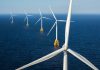
Offshore wind turbines may dominate the skyline, but much of the engineering work that keeps them standing takes place below the waterline. Each turbine transfers its weight and operating loads through a foundation into the seabed, where the structure must withstand wind, waves, currents and repeated loading throughout its service life.
The OranjeWind offshore wind farm in the Dutch North Sea offers a practical example of how these challenges are addressed. Developed by RWE and TotalEnergies, the project is designed to generate 795 MW from 53 turbines. The first monopile foundation was installed on 1 September 2026, marking the start of offshore foundation installation. The wind farm is scheduled to enter operation in 2028.
The project illustrates how foundation design, seabed conditions, specialised installation vessels and environmental controls must be coordinated to keep a major offshore development on schedule. It also shows why the engineering methods used at one site cannot automatically be applied elsewhere.
Designing foundations for the seabed
OranjeWind is using large steel monopiles, tubular foundations driven into the seabed to support the turbine towers. According to the project developers, the monopiles are approximately 90 metres long and eight metres in diameter.
These dimensions reflect the demands of supporting large turbines in an exposed marine environment. The foundation must resist the turbine’s weight, the thrust generated by the rotor, wave and current forces, and repeated loading as operating conditions change. Over time, these loads can contribute to fatigue, making structural performance and the interaction between the foundation and surrounding soil important design considerations.
The foundation’s dimensions and embedment depth depend on the water depth, seabed geology, soil strength, turbine characteristics and expected operating life. Engineers must understand how the soil will respond to loading and how the foundation’s stiffness and movement could change under repeated stress.
That assessment begins well before construction. Geophysical surveys help map seabed features and identify potential hazards, while geotechnical investigations establish the soil profile and properties needed for foundation design. The findings inform the choice of foundation type, its dimensions and the method used to install it.
A monopile suitable for one offshore site may be unsuitable for another. Differences in geology, water depth, wave climate and turbine loading can alter both the design and the construction approach.
Removing the transition piece
One feature of OranjeWind is its transition-piece-less foundation design. In a conventional offshore wind installation, a separate steel transition piece connects the monopile to the turbine tower. At OranjeWind, the tower is bolted directly to a flange at the top of the monopile.
The developers say the arrangement reduces steel requirements. It also changes how components such as access platforms and boat landings are incorporated into the foundation.
Eliminating a separate component can reduce material use and simplify some aspects of installation. However, it places greater emphasis on the accuracy and quality of the monopile’s upper connection, including the flange geometry, bolt arrangement and structural interface with the tower.
These details must satisfy the design’s strength, fatigue and dimensional requirements. Access for inspection and maintenance must also be considered, since offshore equipment needs to remain serviceable throughout its operating life.
The design illustrates a wider trend in offshore engineering: reducing the number of components and the amount of material used while maintaining structural integrity and safe access. Whether a similar approach is appropriate elsewhere depends on the turbine design, site conditions and the engineering standards governing the project.
Moving and installing massive steel structures
Manufacturing the foundations is only part of the operation. Each monopile must be transported, lifted and positioned offshore before being driven into the seabed.
At OranjeWind, the foundations are transported from Sif’s manufacturing terminal at Maasvlakte, near Rotterdam, to the installation site approximately 53 kilometres off the coast of IJmuiden.
Installation is being undertaken by Jan De Nul’s vessel Les Alizés, which uses dynamic positioning to maintain its location during the operation. The vessel is equipped with a 5,000-tonne crane, while a hydraulic impact hammer drives the monopile into the seabed.
The installation sequence requires close coordination between vessel positioning, lifting, pile alignment and driving. Weather and sea conditions determine when offshore operations can proceed safely, while seabed resistance influences how the pile penetrates to its required depth.
Engineers must also verify that each foundation has been installed within the specified tolerances. Installation records, positioning measurements and pile-driving data help establish whether the foundation has reached the intended position and achieved the required installation criteria. Unexpected resistance or deviations may require further assessment before work continues.
Logistics are equally important. Foundation manufacturing, storage, loading, vessel movements and offshore installation must be planned as a continuous sequence. A delay at the manufacturing terminal or a prolonged period of unsuitable weather can affect vessel utilisation and the wider construction programme.
Protecting the structure in a marine environment
Steel foundations operating in seawater face corrosion throughout their service life. The protection system must account for different exposure conditions, including sections submerged in seawater, the splash zone and portions exposed to the atmosphere.
Offshore structures commonly use combinations of protective coatings and cathodic protection, designed to limit corrosion and preserve the steel’s structural capacity. Inspection and maintenance arrangements must allow operators to assess the condition of these systems over time.
Fatigue is another consideration. Wind, waves and turbine operation subject foundations to repeated loading, which can initiate and propagate cracks if stresses and material details are not adequately controlled. Design, fabrication quality, welding inspection and monitoring all contribute to managing this risk.
The foundation must also accommodate the interfaces required for electrical cables, access systems and other equipment. These features need to be integrated without compromising structural performance or creating avoidable maintenance difficulties.
Controlling underwater noise
Pile driving produces underwater noise that can affect marine animals. Environmental controls are therefore part of the installation plan, alongside structural and logistical requirements.
For OranjeWind, the developers have specified a bubble-curtain system intended to reduce underwater sound. Compressed air is released through a hose around the piling location, forming a curtain of bubbles that disrupts the transmission of sound through the water.
Noise measurements outside the curtain are planned to assess whether sound levels remain within the applicable limits. The effectiveness of the system depends on factors including water depth, currents and the installation configuration, so monitoring is needed to verify its performance.
Other environmental considerations include vessel movements, seabed disturbance, cable installation, accidental pollution and potential effects on sensitive marine habitats. These risks must be assessed and managed through the project’s environmental requirements and construction procedures.
Environmental mitigation can also affect construction scheduling. Restrictions on when particular activities may take place can narrow installation windows, making coordination between environmental monitoring teams and marine contractors an important part of project delivery.
Lessons for offshore wind development
For countries considering offshore wind, OranjeWind offers useful lessons in foundation design and construction planning, but it does not establish which foundation type would be appropriate for another coastline.
A potential offshore wind development in Kenya would first require detailed assessments of wind resources, water depth, seabed geology, wave and current conditions, marine ecology and grid connection options. These investigations would help determine suitable turbine locations, foundation designs and installation methods.
Port infrastructure would also be a major consideration. Foundations of this scale require suitable facilities for manufacturing or receiving components, storage, heavy lifting and loading onto installation vessels. The availability of specialist vessels, marine contractors and reliable supply chains would influence both project costs and construction schedules.
Onshore infrastructure must be planned alongside the offshore works. Electricity generated at sea needs export cables, offshore and onshore electrical infrastructure, grid connection capacity and arrangements for integrating the output into the power system.
The OranjeWind project demonstrates that offshore wind development is not just a matter of installing turbines in a suitable wind resource. It requires coordinated structural and geotechnical engineering, marine logistics, corrosion management, environmental protection and electrical infrastructure.
As turbine sizes increase and offshore projects become more complex, these supporting disciplines will remain central to delivering projects safely, economically and reliably.

-
Product on sale
 AWEBook Volume 2Original price was: KShs 3,500.00.KShs 3,000.00Current price is: KShs 3,000.00.