Last Updated 15 years ago by Kenya Engineer
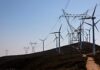
Kenya Power and Lighting Company (KPLC) is considering establishing a transformer manufacturing plant in Kenya to help the country meet the growing demand for power and to diversify its earnings. The company inserted an advertisement in the local press inviting bids for a viability study as it seeks to establish a plant that will not only meet its needs but will also serve the Uganda, Tanzania, Rwanda and Burundi markets. These countries are currently buying transformers from China, India and South Africa.
Joseph Njoroge, the managing director of KPLC, said the establishment of the plant has been necessitated by the soaring demand for transformer equipment because of increased connections and by increasing cases of vandalism “We are currently using 2,000 transformers per year from less than 1,000 ten years ago,” said Mr Njoroge.
“We have been forced to wait up to 9 months for transformers to arrive from our suppliers in Europe and Asia, We need our own plant to achieve flexibility and to meet demand in time.” The firm said it spent in excess of Sh1 million in transformer equipment last year with replacements due to vandalism accounting for a third of the expense.
In the past, copper windings and electricity cabling were the main targets for vandals but the focus has now shifted to transformer oil after the company successfully lobbied the government to ban the export of scrap metal in 2008.
“Like any other business we are always on the look out for new income streams and this plant , if found viable, is part of this drive,|” said Mr Njoroge.
The transformer plant will step up KPLC’s diversification drive that has seen it enter the telcom sector by leasing excess Internet capacity from its fibre optic cables besides entering the carbon trading market.
It will be the first transformer plant in East Africa region and it will follow the footsteps of Egypt, South Africa and Nigeria, that have similar plants. Kenya aims to rope in more Kenyans to the national grid especially in the rural areas.It has doubled its yearly connections pushing the customer base to 1.5 million last year from 200,000 in 2007.
KPLC estimates that less than 20 per cent of Kenya’s population is wired up to the grid. The government has a goal to access 40 per cent of the rural population to the national grid by 2030.

-
Product on sale AWEBook Volume 2Original price was: KShs 3,500.00.KShs 3,000.00Current price is: KShs 3,000.00.