Last Updated 13 years ago by Kenya Engineer
By Daisy Gakuu
The quest for oil might not be a weighty issue to any layman but to the engineers, geologists and all professionals tasked with oil exploration, it’s not that simple. Say, from analysis of seismic data, investment to the spot-on drilling of the oil reservoirs, it shows the explorer’s analytical and strategic skills employed in a drilling rig. It is in this regard, given we’re living in a world with oil; players in the industry have come up with ways to involve the world in this exploration through gamification.
In June this year, Maersk – a global conglomerate with a variety of sectors within the transport and energy industries – launched real-time strategy game called ‘Quest for Oil’.
According to Jakob Thomasen, the Chief Executive Officer (CEO) of Maersk Oil, “Most people take for granted that we have oil and natural gas and not many people understand what it takes to find and produce it. The world’s need for oil and gas is leading exploration into ever deeper waters and ventures demanding precision and cutting edge technology. It’s a sophisticated, fascinating industry and ‘Quest for Oil’ offers everybody a glimpse of what oil and gas exploration is all about today.”
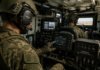
The game puts the player’s analytic skills to test while he or she is looking for oil on a seismic map to extract it. Another challenge that lies therein is playing against artificially intelligent digital opponent that is dedicated to make the player lose. To beat this gamification bully, the player has to learn the importance of the seismic phase, the process through which earth’s different layers were formed and which of those layers have the probability to yield oil.
How to play
The game features two oil fields, one in the North Sea and the other in Qatar. The first move is to choose your location between the two fields. This then takes you to an overview and potential tab. The overview gives the player an outline basically of the oil fields in which one can buy licenses. The map also shows the player’s assets and his opponent’s distinguished by varying colors-blue for you (the player) and red for your opponent.
The potential tab gives the player the specifics about the fields, distinguishing between the fields with highest, medium and low potential of yielding oil. The distinction is represented by three colors; green for high potential, yellow for medium and Orange for areas with low potential of oil. This might sound easy but the higher the potential a field has, the more expensive it gets to invest.
The next step is to analyze a seismic three-dimensional (3D) map to locate the first exploration drill. It seems knowing your colors and what they represent is key to winning this game. In this case, there are blue areas which indicate areas nearest to the surface and red areas that represent the deepest areas. The player’s objective is to locate the reservoir and then establish how much oil it holds.
Lastly, the player is tasked with unlocking the oil from the reservoir rock. This can be done by injecting water and natural gas into the rock keeping in mind that oil moves upwards. However, there’s need for control. The player has to drill fast but safely, watching out for warnings about pressure and temperature differentiation that might even cause a blow out. Upon success, the player also transports the oil to his or her refinery.
The world without Oil
The Quest for Oil game engages the players in living in a World with Oil and through it, the globe can learn about oil exploration.
In 2007, Jane McGonigal, a game designer amongst other members created a reality game called World without Oil. The game ran from 30th April 2007 to 1st June 2007 but each day represented one week summing it to a realistic simulation of the first 32 weeks of a global oil shortage recorded in 1,500 personal blog posts, photos, videos and audios.
Each week presented a development in the oil crisis and the players participated through giving their comments through the mentioned media above. The game masters sketched out realistic conditions that would ensue after the oil crisis and called on the players to assume it a reality and to give an account of how the oil shock is affecting them, asking them for probable solutions to adapt to the crisis. The game’s theme ‘Play it before you live it’ was an invitation in itself calling out to players to apply collective intelligence that would be used as reference in future by laymen, educators , regulators and policymakers to prevent the crisis from happening.
Chronologically, week one marked an oil shock that saw the revision of gas prices up and the engaging question was what would this development do to the player’s finances. In the second week there was a break in the oil supply chain which got the players thinking about ways of narrowing the gap between the demand and supply for oil. By week three, precipitated by week two, gas prices had hiked with people even buying gas for future consumption. Week four portrayed the frustrations of people as a result of the crisis that was sinking in and by week five, it intensified with the ripple effect causing other commodity prices to rise. For instance, the groceries which are transported by vehicles which run on fuel took a while before reaching the market which led to the increase in prices of food amongst other commodities.
As the crisis hit week six, some people were still in denial and had just kept away from things that made the situation more pronounced like driving. These people opted for bicycles to reach their destination. By this time, there was rise in crime given the prices creeping upwards; tourism was affected given the government needed to control the fuel demand that would rise with use of unmanned ships and airplanes. There were occasional power outages.
Week seven and eight brought out the survival tactics of the world living without oil; people formed communities arguing that the solidarity in some way alleviated the oil shock while others thought moving from cities and moving to suburbs would ease the shock. The shortages increased and forming communities to pool resources and share knowledge was a good option.
The chaos had just begun, by week nine gas prices had overshot and crime was on the rise by week ten. By Week 11 keeping count of jobless people was impossible as many could not get to work while others who worked in oil related fields had no jobs given the crisis. Week 12, 13, 14, 15, 16 and 17 saw Diesel run out. There were blackouts that left hospitals most affected, scramble for food amongst other basic commodities due to further revision of prices upwards and more violence as a result of fuel riots.
Week 18 marked the comeback for bicycles officially as a mode of transport. Week 19 spelt bankruptcy for most people keeping in mind that the economy was worst hit with the oil crisis. Airlines minimized their flights and only used fuel-efficient aircrafts. By week 21, order was restored but the resources were limited and people’s pockets kept shrinking, famine was looming.
The alternative/solution
Week 22 brought out the fight in people, with the call to rebuild the world and in one player’s words, “make lemonade from the lemon.” Week 23 bore the brunt of the food crisis as crop yields were low and imports dried up. Week 24 saw the World plot a new world order with people reflecting on past misuse of the run-out resource and by week 25 residents flee suburban lifestyle.
Week 26 to 31, saw a group effort to thrive in the oil crisis calling out to people to find other sources of energy for survival. With the communities, coming to place after the chaos some people created a ‘community skills bank’ which would help share the burden of the crisis amongst various people. These weeks also brought out challenges in places like the U.S where the people around that time were anticipating winter. How to keep warm was a major question. Come spring, some were prepping to sow without prior experience in farming but had to if they were to thrive in the aftermath.
Conclusion
Week 32 was marked mainly by a reflection about the whole experience looking at the transition from a World with oil to a World without; this showed how dependent we really are on oil.
Oil makes up most of the products we use from medicine like antihistamines, to everyday-use deodorants, paint, toothpaste and the list continues up to 6000 products. It makes it almost impossible to fathom a world without it. As the quest for oil continues, man determines whether such a time as described in the games will come. To a layman or not, oil is imperative as the two games have revealed.
-
Product on sale AWEBook Volume 2Original price was: KShs 3,500.00.KShs 3,000.00Current price is: KShs 3,000.00.