
Last Updated 2 hours ago by Kenya Engineer
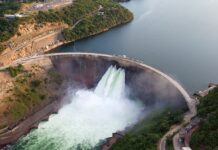
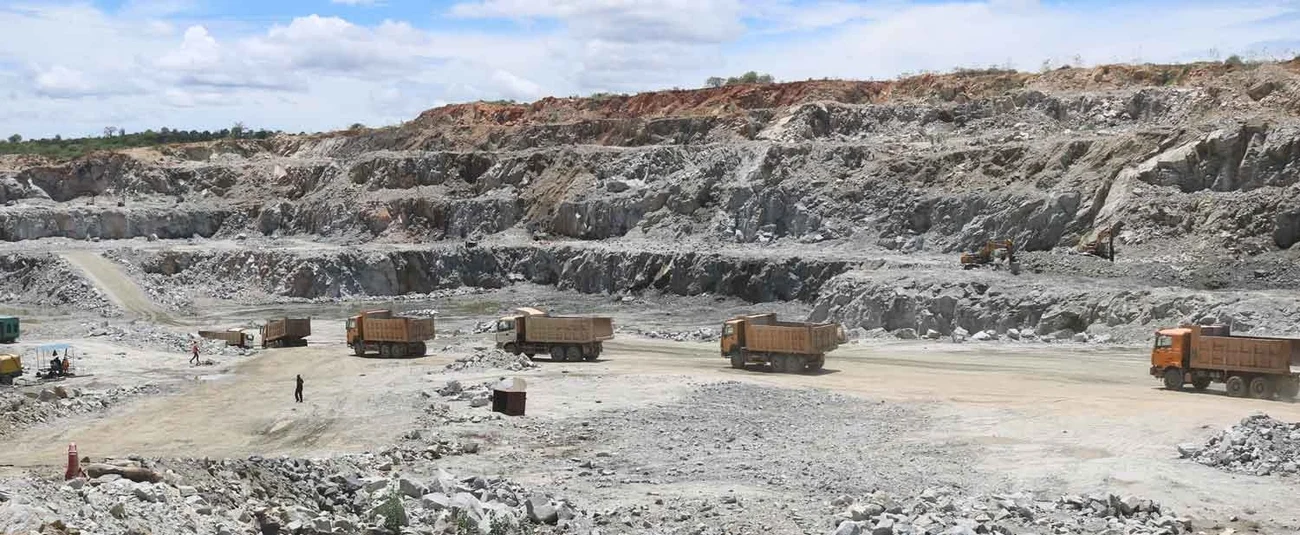
The Thwake Multipurpose Dam in Lower Eastern Kenya is approaching a major construction milestone, with the government targeting the end of January 2027 to begin impounding water. Attention is now turning to what comes next: completing the infrastructure that will allow the dam to deliver water to households, support irrigation and generate electricity.
Located at the confluence of the Athi and Thwake rivers along the border of Makueni and Kitui counties, the project is intended to improve water security in a region that regularly experiences water shortages. Its planned benefits include water supply for approximately 1.3 million people, irrigation of up to 40,000 hectares and hydropower generation of about 20 MW.
The immediate task is to complete the dam and prepare it for safe impounding. But filling the reservoir will mark the beginning of another phase, not the end of the project. Without the necessary treatment facilities, pipelines, distribution networks and irrigation systems, much of the dam’s intended value will remain unrealised.
Construction resumes after funding constraints
In an update published on 21 October 2026, the African Development Bank Group reported progress following a joint mission involving the bank, the National Treasury and the Ministry of Water, Sanitation and Irrigation. The mission reviewed implementation of the programme’s first phase after an earlier site assessment in September.
Construction resumed in August following disruption linked to cash-flow constraints. The government is now targeting the end of January 2027 for the start of impounding.
The bank’s update also highlighted €68.39 million in additional financing approved in May 2026 to support completion of the first phase. However, the release of the funds is subject to outstanding conditions that must be met before the first disbursement.
The mission identified issues requiring attention, including health and safety, environmental and social safeguards, and coordination among the contractor, supervising consultant and implementing ministry. It also called for grievances raised by homeowners affected by nearby construction to be addressed and for contractor payment certificates to be processed on time.
These are practical issues with direct consequences for delivery. Delayed payments can disrupt procurement, labour and equipment mobilisation, while poor coordination can hold up activities that depend on one another. With impounding approaching, resolving such constraints will be important to keeping the remaining works on schedule.
Safety and reservoir performance
The additional financing is intended to support engineering refinements and safety measures, including raising the dam to its required design level, strengthening foundations and constructing two supplementary saddle dams.
These works form part of the dam’s overall safety requirements. The main structure and associated dams must perform as intended under reservoir loading, foundation conditions and flood events. Their completion and verification will be central to determining readiness for impounding.
Long-term reservoir performance is another concern. The African Development Bank has called for the proposed sedimentation-control project to be prioritised alongside the completion works.
Rivers carry sediment from their catchments into reservoirs, where it can gradually accumulate and reduce usable storage. The rate of sedimentation depends on factors such as erosion, land use, rainfall and river flows. For a reservoir expected to serve households, farms and power generation over many years, managing this process is an operational requirement, not an optional addition.
Monitoring sediment inflows, assessing changes in storage capacity and managing erosion in the catchment will be important in protecting the dam’s long-term usefulness. The measures adopted will need to reflect the site’s conditions and the project’s approved engineering and operating plans.
The next investment challenge
Beyond the dam itself, the government must secure funding for the systems that will carry water to its intended users. The Water Secretary has submitted a concept note to the National Treasury seeking financing for downstream water supply, sanitation, irrigation and hydropower infrastructure.
This is a substantial undertaking in its own right. Water supply requires treatment works, transmission pipelines, distribution networks and storage facilities, alongside pumping stations where necessary. The systems must also have reliable power, adequate operating budgets and the technical capacity to maintain them.
Irrigation will require its own network of canals or pipelines, distribution structures, drainage and connections to farms. Water allocation and operating arrangements will also need to reflect the needs of farmers and the amount of water available throughout the year.
The proposed 20 MW hydropower plant similarly depends on the completion of civil, mechanical and electrical works before electricity can be generated. Its contribution will ultimately depend on the plant’s readiness and how water releases are coordinated with the dam’s other purposes.
The timing of these investments will determine how soon communities begin to benefit. If downstream works lag substantially behind the dam, the reservoir could be ready to hold water long before the infrastructure needed to deliver it is in place.
Impounding is a milestone, not the finish line
Beginning to fill the reservoir will be an important step, but it will also introduce a new set of engineering and operational responsibilities. Reservoir filling must follow approved procedures, with monitoring of the dam, foundations, seepage, deformation and other indicators of structural behaviour. The pace of filling and the checks required at each stage must be guided by the approved commissioning and operating plans.
The project will need to be judged against more than the completion of construction. Readiness for impounding, the performance of the dam during filling, completion of downstream facilities and the start of reliable services are separate milestones, each requiring its own verification.
For the government and its development partners, the priority is to bring the first phase to a safe conclusion while moving the downstream investments from planning to implementation. That will require clear financing arrangements, coordinated procurement and a credible timetable for completing the associated works.
Thwake has the potential to make a significant contribution to water security and agricultural production in Lower Eastern Kenya. Whether it achieves that promise will depend on what happens beyond the dam wall: how quickly the distribution and irrigation systems are built, how well the reservoir is managed and whether the infrastructure can be operated and maintained over the long term.
Sources: African Development Bank Group, project update published on 21 October 2026; additional financing for the Thwake Dam project.

-
Product on sale
 AWEBook Volume 2Original price was: KShs 3,500.00.KShs 3,000.00Current price is: KShs 3,000.00.