Last Updated 2 hours ago by Kenya Engineer
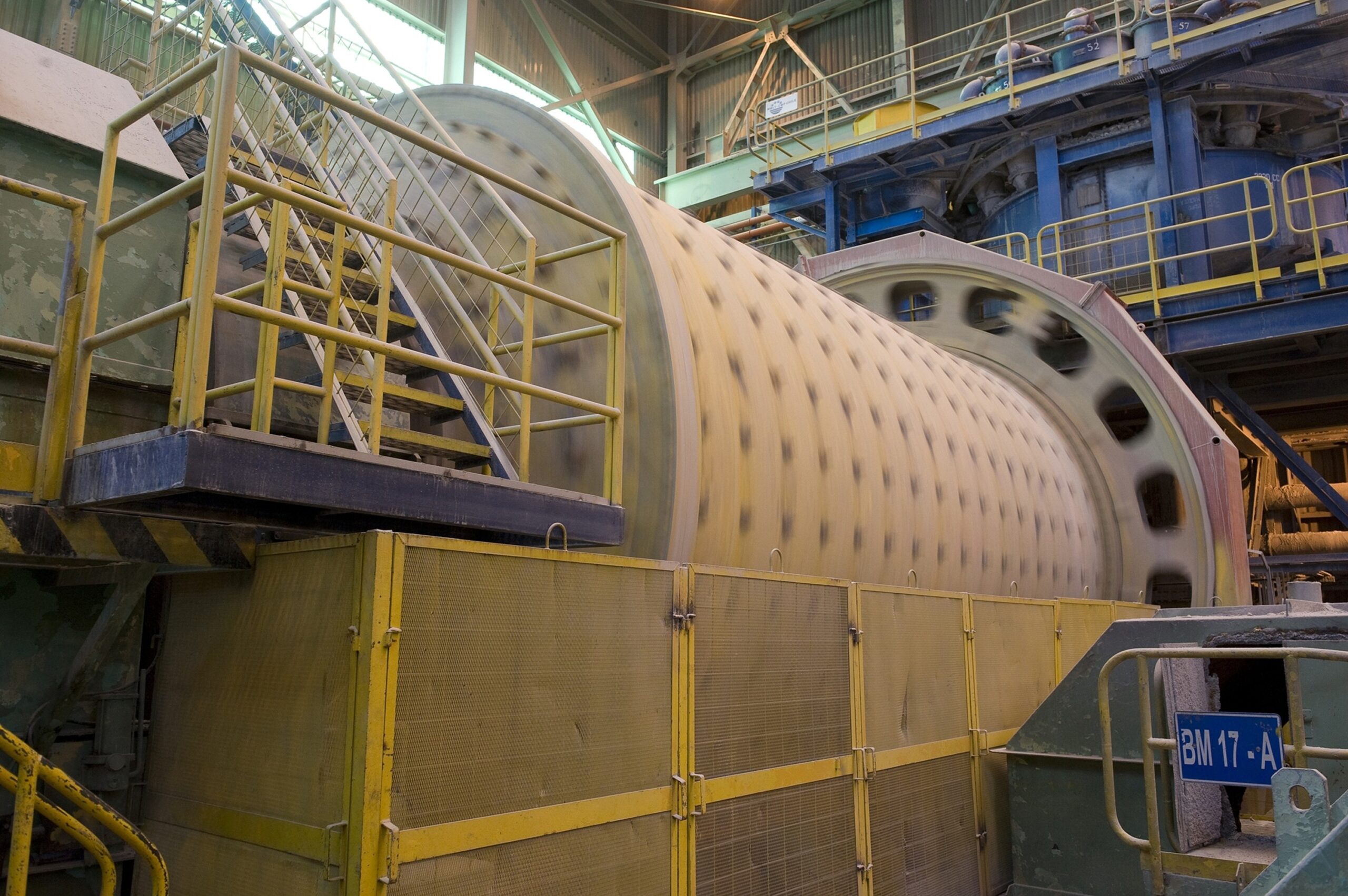
A customised pillow block bearing arrangement developed by SKF for a ball mill application is expected to improve contamination control, equipment reliability and maintenance efficiency, while reducing lead times through local manufacturing.
The solution follows SKF’s successful return to a critical ball mill application after the customer had switched to a competing supplier. The order, secured in September 2026, reflects the role of application-specific engineering in addressing the operating demands of heavy industrial equipment.
According to SKF, the solution will comprise a locally manufactured pillow block arrangement integrated into the mill’s drive system. Delivery is scheduled for early 2027.
The design has been developed around the customer’s operating requirements, drawing on site assessments, application engineering and research undertaken by SKF’s global teams. Collaboration between the company’s application engineers, sales personnel and original equipment manufacturers (OEMs) helped define the technical requirements and shape the proposed arrangement.
Shailin Govender, SKF Key Account Manager for Heavy Industries, said understanding the customer’s challenges and working closely across technical and commercial teams were central to securing the order.
Sealing and local manufacturing
Contamination control is a key consideration in bearing performance, particularly in demanding industrial environments where the ingress of contaminants can contribute to wear, premature failure and unplanned maintenance.
SKF’s proposed arrangement incorporates application-specific sealing and customised components intended to improve protection against contamination and align bearing performance with the ball mill’s operating conditions. The effectiveness of these features will depend on the final design, installation and operating environment.
Local manufacturing is another element of the solution. By producing the arrangement locally, SKF expects to reduce product delivery lead times and accelerate the supply of application-specific designs. Shorter lead times can help maintenance teams plan interventions more effectively and reduce delays associated with obtaining specialised components.
The anticipated operational benefits include improved equipment reliability, reduced downtime and longer service life for the bearings and associated machinery. SKF will also serve as the single point of contact at the end-user level, consolidating communication and technical support.
Maintenance and lifecycle support
The supply arrangement will be supported by SKF’s Reliability Solutions team and Mechanical Field Services (MFS). These services are intended to simplify maintenance activities and reduce mean time to repair (MTTR), the average time required to restore equipment to operation following a failure.
Reducing repair time is particularly valuable in applications where equipment availability affects production continuity. Effective maintenance support, combined with appropriate component selection and installation practices, can help limit the operational impact of bearing-related failures.
SKF also plans to provide local training to strengthen the customer’s capacity to operate and maintain the equipment. Installation will follow a joint-responsibility model involving the relevant teams, with an emphasis on applying appropriate installation practices and transferring technical knowledge.
Following commissioning, the customer will take the lead in aftermarket activities, including servicing, repairs and maintenance, with continued guidance and collaboration from SKF.
The arrangement therefore extends beyond the supply of a bearing support assembly. It combines application-specific design, local production, technical services and customer training in an effort to improve reliability throughout the equipment lifecycle.
For the mining supply chain, the project illustrates how tailored bearing solutions and locally accessible engineering support can address maintenance challenges in heavy industrial applications. Its longer-term value will ultimately be demonstrated through operating performance, equipment availability and maintenance outcomes once the system is installed and commissioned.

-
Product on sale
 AWEBook Volume 2Original price was: KShs 3,500.00.KShs 3,000.00Current price is: KShs 3,000.00.