Last Updated 1 day ago by Kenya Engineer
Kenya’s growing dependence on electronic equipment has created a waste stream that is increasingly difficult to ignore. Computers, mobile phones, printers, televisions, electrical appliances, solar equipment and telecommunications hardware eventually reach the end of their useful lives. Many are stored in homes and offices, sold through informal channels or dismantled for parts and scrap.
Yet these products contain more than waste. They also contain recoverable metals, reusable components and materials that could support domestic manufacturing if they are collected and processed through appropriate systems.
The National E-waste Monitor Kenya 2026, prepared by the United Nations Institute for Training and Research and the Kenya National Bureau of Statistics, estimates that the country generated approximately 55,956 tonnes of electronic waste in 2025. It places the estimated value of the metal fraction at US$48 million to US$50 million.
These figures illustrate the scale of the opportunity, but they should not be interpreted as money that can be recovered simply by collecting old devices. Realising that value requires suitable equipment, trained workers, reliable sorting, environmental safeguards and access to buyers for the recovered materials.
From discarded equipment to industrial feedstock
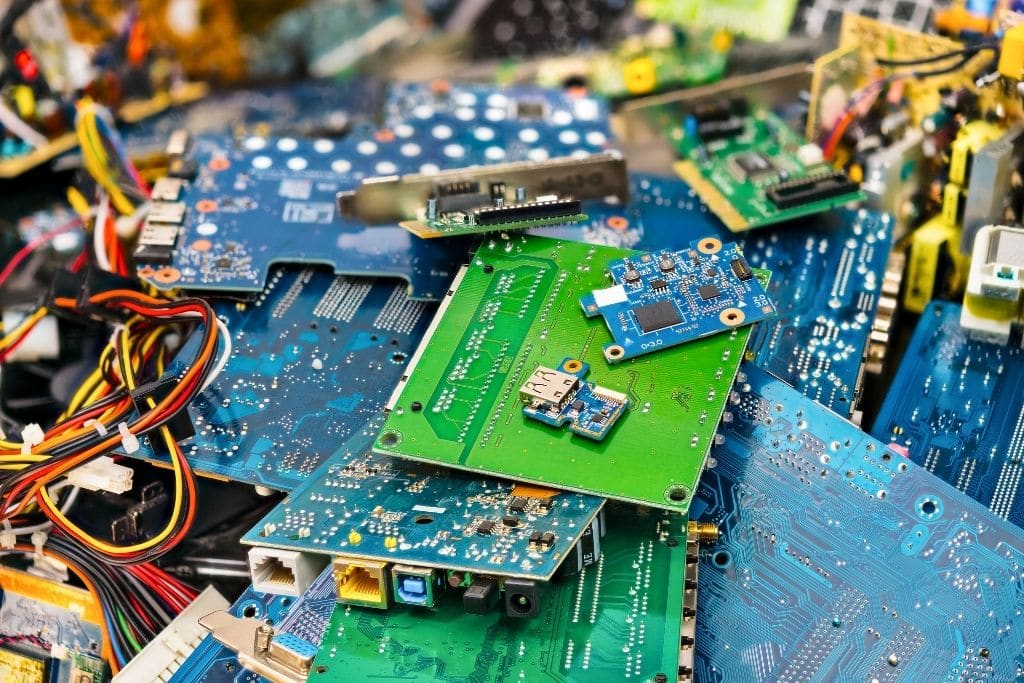
Electronic waste is a complex mixture of materials. Circuit boards contain copper and smaller quantities of other valuable metals. Cables contain copper or aluminium. Steel and aluminium are used in equipment casings and frames, while plastics, glass and other materials form additional fractions.
Some discarded equipment can be repaired or refurbished without being dismantled. Working components can be recovered for use in repairs, while computers and other devices may remain suitable for secondary markets if their safety, functionality and data security are properly assessed.
Where reuse is no longer viable, equipment can be dismantled and sorted into material streams for further processing. However, different materials require different recovery methods. Separating metals from circuit boards, processing batteries and recovering plastics are not interchangeable operations.
Informal recovery methods can expose workers and nearby communities to hazardous substances. Open burning of cables, uncontrolled heating of components and unsafe handling of batteries can release harmful pollutants or cause fires. A viable recycling industry must therefore compete through efficient recovery, safe working conditions and consistent material quality rather than relying on environmentally damaging shortcuts.
The manufacturing link
Kenya’s opportunity extends beyond establishing facilities that collect and export scrap. The larger ambition should be to connect electronic-waste management with repair businesses, component refurbishment, materials processing and manufacturing.
A domestic electronics recovery chain could supply secondary metals to metal fabricators, plastic processors and other manufacturers. Repair and refurbishment businesses could extend the working lives of computers, office equipment, communications hardware and selected appliances. Specialist facilities could recover reusable components and prepare suitable equipment for resale.
There are limits to what can be done economically. Recovering metals from complex circuit boards often requires specialised processes that may be uneconomic at small scale. Certain hazardous fractions may need to be exported to licensed downstream processors where domestic treatment capacity is unavailable. Local processing should not be pursued at any cost if it creates greater environmental or financial risks than controlled alternatives.
The industrial strategy should identify which activities are commercially feasible in Kenya, which require regional cooperation and which are best handled by established international recycling facilities.
Building the collection and processing network
One of the main obstacles is getting discarded equipment to the right facility. Households and businesses need convenient, trustworthy collection channels. Public institutions, universities, hospitals, telecommunications companies and large employers can support scheduled collection and responsible disposal of obsolete equipment.
Producers and importers also have a role. Extended producer responsibility frameworks are intended to ensure that those placing products on the market contribute to managing them at the end of their useful lives. Effective implementation can help fund collection and treatment systems, although compliance, accountability and the actual use of collected funds need to be monitored.
Kenya should strengthen the links between informal collectors and formal recyclers. Informal operators often possess valuable local knowledge and collection networks. Integrating them through training, fair purchasing arrangements, protective equipment and transparent standards can improve recovery while reducing health risks.
Processing facilities need dependable volumes of suitable feedstock. That means reliable collection contracts, transparent grading systems, traceability and predictable prices for recovered materials. Without these conditions, recycling plants can struggle to operate consistently even where large volumes of waste are generated nationally.
The role of engineering and standards
Electronic-waste processing is an industrial engineering challenge. Facilities require safe dismantling areas, ventilation, fire detection and suppression, appropriate storage for batteries, material-handling systems and controls for dust, liquids and hazardous residues.
Designers must consider the entire process, from receiving and identifying equipment to dismantling, sorting, temporary storage and dispatch to downstream processors. Batteries should be identified and handled according to their condition and chemistry, with damaged units isolated under appropriate safety procedures.
Digital tracking could improve accountability by recording the type, weight, source and destination of equipment and recovered materials. This would help distinguish devices that have been repaired or reused from those processed for material recovery.
Standards are also important. Buyers need confidence that recovered materials meet the specifications required for further processing. Refurbished equipment must be tested for functionality and safety, while data-bearing devices require secure data destruction before reuse or recycling.
Turning the opportunity into an industry
The economic case should be tested through transparent feasibility studies. These should assess the volume and composition of available waste, collection costs, labour, energy and equipment requirements, the value of recovered materials, regulatory obligations and the market for outputs.
Public procurement could support responsible refurbishment where it is technically and commercially appropriate. Training institutions could develop courses in electronics repair, battery safety, materials recovery and recycling-plant operations. Investors could target businesses with clear feedstock arrangements and credible environmental controls.
The performance of the sector should be measured through verified collection and recovery rates, material yields, jobs created, equipment successfully refurbished, workplace safety and the proportion of recovered material sold into productive uses.
Electronic waste will continue to accumulate as technology use expands and equipment is replaced. Kenya can treat this stream solely as a disposal problem, or develop the collection systems, technical skills and industrial capacity needed to recover more of its value.
The opportunity is real, but its success will depend on building a functioning value chain rather than counting the tonnes of discarded electronics that pass through a recycling facility.

-
Product on sale
 AWEBook Volume 2Original price was: KShs 3,500.00.KShs 3,000.00Current price is: KShs 3,000.00.