Last Updated 33 mins ago by Kenya Engineer
Manufacturers are increasingly turning to digital condition monitoring technologies to improve equipment reliability, reduce unplanned downtime and make maintenance operations more efficient. A recent installation by SKF at a major food processing facility in Tunisia illustrates how continuous monitoring can support this transition.
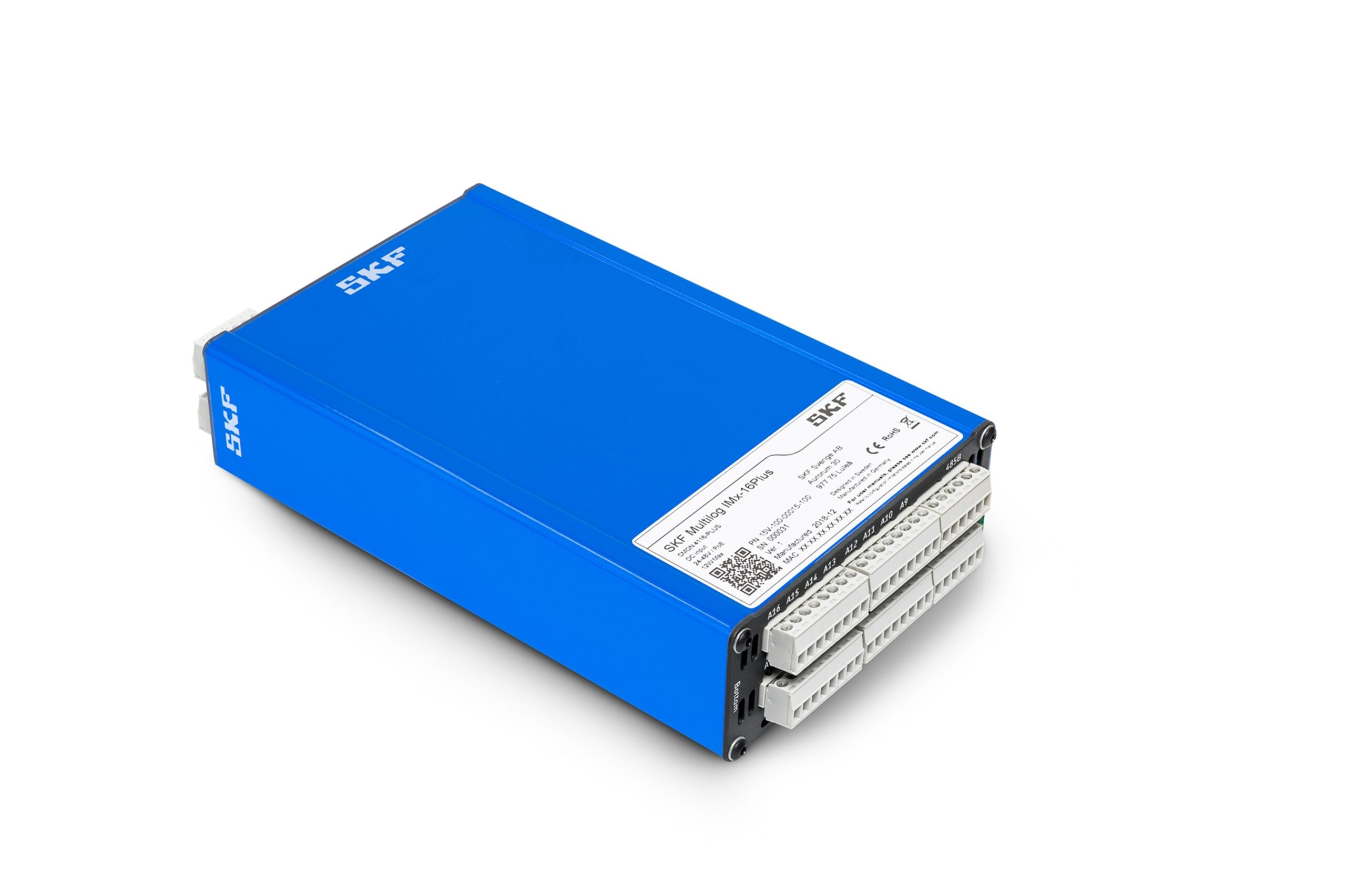
The project involved deploying an online condition monitoring (COMO) system to provide real-time information on the operating condition of critical production machinery. The installation comprises eight SKF IMx-16 monitoring units connected to 52 vibration sensors across 13 geared motors.
The system enables continuous monitoring of machinery vibration and temperature, allowing maintenance teams to identify developing mechanical faults and abnormal operating conditions before they result in equipment failure.
For food processing operations, equipment reliability has a direct bearing on production continuity, product quality and operating costs. Unexpected machinery failures can interrupt production schedules, increase maintenance expenditure and affect overall plant performance. Moving from reactive maintenance towards condition-based and predictive approaches is consequently becoming an important part of industrial asset management.
From periodic inspections to continuous monitoring
Before the project, the Tunisian manufacturer relied primarily on offline condition monitoring, which involves collecting machinery condition data during scheduled inspections. While this approach provides useful information about equipment health, faults developing between inspection intervals may go undetected.
The new installation introduces continuous online monitoring, giving the maintenance team more frequent visibility into machine operating conditions.
According to Marwen Chebbi, Sales Manager at SKF Tunisia, the project followed discussions initiated towards the end of 2025, following the customer’s participation in an SKF condition monitoring training programme in South Africa.
SKF subsequently conducted a detailed assessment of the facility in May 2026 to establish the system’s technical requirements. This included evaluating connectivity, cable routing and the appropriate positioning of monitoring points.
The assessment informed the selection of hardware and software suited to the customer’s production environment and maintenance requirements.
Installation began towards the end of June 2026, with SKF working alongside its authorised distributor, Équipement Moderne, and the customer’s IT team.
“Drawing on our process knowledge, the expertise of our authorised distributor, Équipement Moderne, and close collaboration with the customer through multiple site visits, we worked together to identify the solution with reliability, local support and long-term customer value at the centre of every decision,” says Chebbi.
How the monitoring system works
The installed SKF IMx-16 units collect data from vibration sensors positioned on the 13 geared motors. Vibration measurements provide important indicators of machinery condition, helping engineers identify changes that may point to developing mechanical problems.
These can include bearing deterioration, misalignment, imbalance and other mechanical faults. Temperature information provides an additional indicator of operating conditions.
The monitoring system processes the collected information and generates automated alarms when measurements indicate abnormal operating conditions. This allows maintenance personnel to investigate potential problems earlier and plan interventions based on the actual condition of equipment rather than relying exclusively on fixed maintenance schedules.
An important component of the installation is SKF’s @ptitude software platform, which provides access to vibration and temperature information for equipment assessment and analysis.
The customer can undertake first-level analysis using the platform, while SKF remains available to provide advanced diagnostics, technical reports and recommendations where more specialised investigation is required.
This arrangement combines continuous data collection with vibration analysis expertise, enabling the maintenance team to make more informed decisions about equipment servicing and maintenance priorities.
Building local maintenance capabilities
Beyond the installation of monitoring hardware, the project also involved developing the customer’s ability to interpret and use condition monitoring information.
The manufacturer had already established vibration analysis capabilities through previous SKF training programmes and practical experience. The move to online monitoring builds on this foundation by giving the team access to more frequent machinery condition data.
SKF is expected to continue supporting the customer through knowledge transfer and advanced training in both offline and online condition monitoring technologies.
The local distributor, Équipement Moderne, also plays an important role in the support arrangement. Its personnel received specialised training on SKF condition monitoring and COMO solutions to strengthen their ability to assist the customer with sensors, IMx hardware and related system requirements.
The resulting support model combines the customer’s internal maintenance capabilities, the distributor’s local technical support and SKF’s advanced diagnostic expertise.
According to Chebbi, this approach is intended to give the customer greater independence in routine monitoring while retaining access to specialised technical assistance when required.
A scalable approach to industrial asset management
The installation also provides a foundation for expanding online condition monitoring to additional machinery as the manufacturer’s reliability programme develops.
SKF says the system can accommodate further monitoring points and additional solutions, including the IMx-16 and IMx-1 platforms. This allows the manufacturer to extend coverage to other critical assets without having to redesign its entire monitoring strategy.
The project demonstrates how condition monitoring technology can be integrated into an existing industrial maintenance programme, building on established inspection practices and technical competencies.
For manufacturers, the wider engineering value of such systems lies in the ability to use machinery performance data to guide maintenance decisions. Rather than waiting for equipment to fail or relying solely on scheduled inspections, maintenance teams can identify changes in machine condition, investigate emerging faults and plan corrective work with greater precision.
Commenting on the implementation, Chebbi says the objective extended beyond installing monitoring equipment to strengthening the customer’s long-term approach to machinery reliability.
“Moving to online condition monitoring was a natural next step in the customer’s reliability journey. Our approach is built on three pillars: customer autonomy, local distributor support and SKF expertise,” he explains.
The Tunisian installation illustrates how the combination of industrial sensors, monitoring software, technical expertise and workforce development can support a transition towards data-driven maintenance. As manufacturers seek to improve production efficiency and manage the costs associated with equipment failure, continuous condition monitoring is becoming an increasingly important tool in modern industrial asset management.

-
Product on sale
 AWEBook Volume 2Original price was: KShs 3,500.00.KShs 3,000.00Current price is: KShs 3,000.00.