Last Updated 6 hours ago by Kenya Engineer
The Sustainable Energy Conference 2026 will bring together energy producers, governments, investors, financiers and technology companies in Naivasha from 24 to 27 November. Under the theme ‘Powering Africa’s Green Industrial Revolution’, the gathering will examine how renewable energy can move beyond electricity generation to support manufacturing, regional trade and economic transformation across the continent.
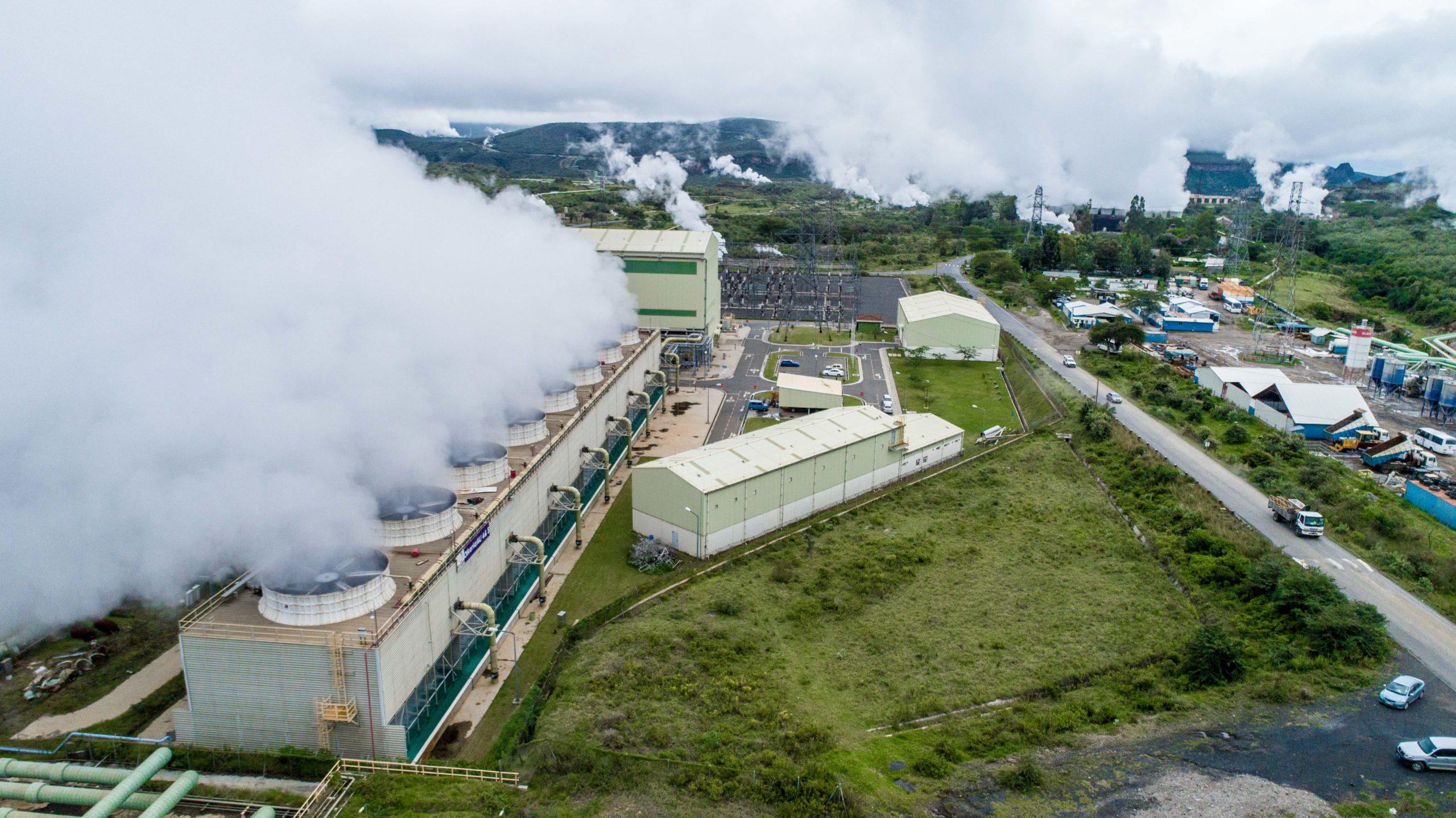
Kenya’s geothermal heartland at Olkaria will become the meeting point for an international energy investment gathering next week as the Kenya Electricity Generating Company (KenGen) hosts the third edition of the Sustainable Energy Conference (SEC 2026).
Scheduled for 24–27 November 2026 at the Olkaria Geothermal Spa in Naivasha, the conference will bring together energy producers, policymakers, regulators, development finance institutions, commercial banks, private investors, technology providers and industrial companies to explore opportunities in Africa’s evolving energy sector.
The gathering comes at a time when African countries are under increasing pressure to expand electricity access, strengthen energy security and develop the infrastructure needed to support industrialisation. Although the continent has considerable solar, wind, hydropower and geothermal resources, translating that potential into reliable electricity supply and productive economic activity continues to face significant financial, technical and institutional challenges.
This year’s theme, ‘Powering Africa’s Green Industrial Revolution’, places that challenge at the centre of the conference. Rather than focusing exclusively on renewable energy generation, the discussions are expected to examine how clean electricity can attract investment into manufacturing, support industrial competitiveness, facilitate regional electricity trading and create new economic opportunities.
KenGen is positioning the conference as a platform where project developers can meet the financiers and strategic partners needed to advance energy investments from proposals towards implementation.
From renewable energy potential to industrial development
Africa’s energy transition presents an unusual development opportunity. The continent has substantial renewable energy resources, yet electricity supply remains inadequate in many countries, while the cost and reliability of power continue to constrain businesses and industrial investment.
The International Energy Agency has consistently identified limited electricity access, inadequate infrastructure and insufficient investment as major obstacles to Africa’s economic development. Addressing these challenges will require more than constructing additional generating stations. It will also require transmission networks, distribution systems, energy storage, regional interconnections, technical skills and financing structures capable of supporting projects over their operating lifetimes.
The industrial dimension is particularly important.
Manufacturing facilities, fertiliser plants, steel mills, data centres and other energy-intensive industries require reliable electricity at commercially competitive prices. Where electricity is expensive or unreliable, businesses face higher operating costs, production interruptions and reduced competitiveness.
The conference’s theme reflects a growing recognition that renewable energy can support economic development beyond the electricity sector itself. Countries that successfully connect clean power generation with industrial investment have an opportunity to develop domestic manufacturing capacity, create skilled employment and retain more economic value within their borders.
For Kenya, the Olkaria location provides a practical setting for examining this relationship. The geothermal resource has supported decades of electricity generation, while KenGen is now seeking to expand the role of the surrounding area through the development of the Olkaria Green Energy Park.
The proposed industrial park is intended to attract companies that can use geothermal electricity and associated resources to establish energy-intensive manufacturing and processing operations.
Among the proposed investments is a green fertiliser manufacturing facility by China’s Kaishan Group, with an announced investment value of approximately US$800 million. The project is expected to require about 165 MW of geothermal electricity and create more than 2,000 jobs.
Other prospective investments at the park include steel fabrication and fish feed production.
These developments illustrate the industrial possibilities that can emerge when renewable energy infrastructure is connected directly to productive economic activity. They are also expected to provide an important Kenyan case study during discussions on the relationship between clean energy, investment and industrial competitiveness.
An international gathering of energy decision-makers
KenGen expects SEC 2026 to attract more than 1,500 delegates from over 80 countries. The conference brochure also projects participation by more than 60 policymakers and regulators, over 200 investors, more than 40 financiers, over 100 utilities and power producers, and upwards of 100 exhibitors.
The expected participation reflects the conference’s ambition to bring together different parts of the energy investment value chain.
Power producers and utilities will have an opportunity to present their generation portfolios, technology requirements and development pipelines. Financial institutions and development partners will be able to assess investment opportunities, while governments and regulators will discuss the policy and institutional conditions required to attract capital.
Technology companies, engineering firms and equipment suppliers will also form an important part of the gathering.
The delegate profile includes power producers, financiers, development partners, corporates, carbon buyers, government agencies, regulators, technology and service providers, multilateral organisations, researchers and the media.
The conference is also expected to attract representatives from the National Treasury and Economic Planning, the Ministry of Energy and Petroleum, energy sector agencies, diplomatic missions, regional utilities and international development institutions.
Cabinet Secretary for the National Treasury and Economic Planning, FCPA John Mbadi Ng’ongo, is expected to preside over the official opening on Wednesday, 25 November.
The gathering is therefore expected to provide a meeting point for institutions responsible for energy policy, infrastructure development and the mobilisation of investment across African markets.
Four pillars shaping the conference
SEC 2026 is organised around four principal areas: benchmarking, networking, finance and trade.
Benchmarking and technology exchange
The first pillar will provide a platform for African energy producers and utilities to compare their performance, technologies and project pipelines with those of regional and international peers.
Benchmarking is important because the performance of an electricity system cannot be assessed through installed generation capacity alone. Plant availability, operating efficiency, generation costs, maintenance requirements, transmission losses and reliability all influence the quality and affordability of electricity supply.
For utilities and power producers, comparing these indicators can help identify opportunities for operational improvement and technology adoption.
The exchange is also expected to provide exposure to developments in geothermal generation, hydropower, solar and wind technologies, energy storage, digital monitoring and other areas of power system management.
Networking and investment partnerships
The second pillar focuses on structured engagement between project developers, financiers, development finance institutions and strategic investors.
Large energy projects frequently require several partners with different capabilities. A geothermal development, for example, may require resource assessment, drilling expertise, power plant engineering, financing, transmission infrastructure and an electricity offtake arrangement.
Bringing these participants together at an early stage can help project developers identify potential partners, understand financing requirements and address obstacles that might otherwise delay implementation.
The conference is expected to facilitate one-on-one meetings and structured matchmaking between organisations seeking capital and those with the financial or technical capacity to support projects.
Finance and the Deal Room
The third pillar is particularly significant given the financing gap facing energy infrastructure development across Africa.
The conference will feature a dedicated Deal Room and investment forum intended to connect bankable energy projects with potential financiers.
The emphasis on bankable projects is important. Renewable energy resources alone do not guarantee investment. Developers must demonstrate that a proposed project is technically viable, financially sustainable, appropriately regulated and capable of generating predictable returns.
Financiers will also need confidence in project preparation, environmental and social safeguards, land arrangements, electricity purchase agreements and the capacity of developers to deliver construction within agreed budgets and schedules.
The Deal Room is intended to provide an environment where these issues can be discussed directly and where project developers can explore pathways towards securing investment and achieving financial close.
Blended finance, which combines concessional development funding with commercial capital, is another important area of discussion. Such arrangements can help reduce investment risks and make projects attractive to a wider range of investors.
Carbon trading and green adoption
The fourth pillar focuses on carbon markets and the growing commercial demand for lower-carbon energy.
The conference brochure provides for a Carbon Trading and Green Adoption Pavilion, where companies can explore carbon credit transactions, green electricity procurement and corporate decarbonisation commitments.
Carbon credits represent quantified reductions or removals of greenhouse gas emissions that can be traded under recognised market arrangements. For African renewable energy developers, carbon finance can provide an additional revenue stream where projects meet the relevant eligibility, verification and accounting requirements.
Businesses seeking to reduce their emissions can also explore green power purchase agreements, through which electricity consumers enter into contractual arrangements to procure renewable electricity.
These mechanisms are becoming increasingly relevant as multinational companies and their suppliers face greater pressure to measure and reduce emissions across their operations and supply chains.
However, the credibility of carbon markets will depend on the quality of project verification, transparency, environmental integrity and clear accounting to prevent double counting of emission reductions.
The conference will provide an opportunity to examine how African countries can participate more effectively in these markets while ensuring that carbon-related investments deliver measurable environmental and economic benefits.
Financing Africa’s expanding energy infrastructure
The financing question cuts across all four conference pillars.
Africa requires substantial investment in new electricity generation, transmission networks, distribution infrastructure and energy storage. Public budgets alone are unlikely to meet these requirements, particularly where governments must also finance transport, water, healthcare and other essential infrastructure.
Private capital, development finance institutions, commercial banks, infrastructure funds and bilateral development partners will consequently play an increasingly important role.
However, attracting investment requires more than presenting large project pipelines. Investors must be able to assess the risks associated with construction, technology, currency movements, regulation, electricity demand and revenue collection.
Long-term electricity purchase agreements, credible regulatory frameworks, transparent procurement processes and predictable tariff structures are among the conditions that can strengthen investor confidence.
The conference’s emphasis on financing and deal-making is therefore particularly relevant to African power producers seeking to expand their generation portfolios.
KenGen itself provides a timely example of the investment challenge.
The company is pursuing an expanded generation development pipeline targeting approximately 5,540 MW by 2034. Its proposed investments span geothermal, hydropower, solar and nuclear generation, among other developments.
The programme will require substantial capital mobilisation, technical partnerships and coordination with the country’s transmission infrastructure.
By hosting SEC 2026, KenGen has an opportunity to present its project pipeline to international investors while engaging with other African utilities facing similar challenges.
The immediate Kenyan development programme also includes approximately 250 MW expected to be added to the national grid by 2027, incorporating a proposed 100 MW battery energy storage system.
The conference will thus take place against a background of active investment discussions within Kenya’s own electricity sector.
Regional electricity trade and interconnected power systems
Another important issue for African energy development is the ability of countries to trade electricity across national borders.
Many African countries possess renewable energy resources that are not evenly distributed geographically. Some have substantial hydropower potential, others have geothermal resources, while several enjoy strong solar and wind conditions.
Regional electricity interconnections create opportunities to share these resources, improve supply security and reduce the need for every country to develop sufficient generation capacity to meet all its demand independently.
Kenya is already connected to neighbouring electricity systems through regional transmission infrastructure. Its interconnections with Ethiopia and Tanzania, together with the wider Eastern Africa Power Pool, provide opportunities for electricity trading and greater regional integration.
However, cross-border electricity trade requires more than physical transmission lines. Countries must also establish compatible technical standards, transparent trading arrangements, coordinated system operation, clear settlement mechanisms and regulatory cooperation.
Grid stability, transmission capacity and the management of electricity flows become increasingly important as more countries participate in regional power markets.
The conference is expected to provide a platform for discussions on regional power pooling, grid interconnection and harmonisation of carbon market regulations.
These issues are particularly important as the African Continental Free Trade Area creates opportunities for greater movement of goods, services and investment across national borders.
Reliable and competitively priced electricity will be an important foundation for the development of regional manufacturing and industrial supply chains.
Kenya’s opportunity to showcase geothermal leadership
Hosting the conference at Olkaria is particularly significant because the location provides a direct connection between the event’s discussions and one of Africa’s most established geothermal power developments.
Kenya has developed considerable experience in geothermal exploration, drilling, reservoir management and power plant operations. The Olkaria geothermal complex has played a central role in the country’s efforts to diversify electricity generation and reduce dependence on fossil fuel-based power.
Geothermal electricity offers an important advantage over variable renewable sources such as solar and wind. Once developed and connected to the grid, a geothermal power station can provide relatively consistent electricity, subject to resource conditions and plant availability.
This makes geothermal energy valuable for electricity systems seeking reliable generation to complement other renewable sources.
Kenya’s experience also provides an opportunity for technical knowledge transfer to other African countries with geothermal potential, particularly along the East African Rift System.
Countries including Ethiopia, Djibouti, Tanzania, Uganda and Rwanda have geothermal prospects at different stages of exploration and development.
The challenge in these markets often lies in the high upfront cost and uncertainty associated with geothermal resource exploration. Drilling wells before confirming the commercial viability of a reservoir can expose developers to substantial financial risk.
This is one area where development finance institutions and specialised geothermal financing mechanisms can play an important role in reducing early-stage investment barriers.
For Kenya, the conference provides an opportunity to demonstrate how experience accumulated at Olkaria can support geothermal development elsewhere on the continent.
Private-sector participation ahead of the conference
KenGen has secured 13 corporate partnerships ahead of the gathering, reflecting growing involvement by financial institutions, energy companies, regulators and service providers.
The partners announced by the company include KCB Group, Radio Africa Group, Sun King, Stanbic Bank, the Energy and Petroleum Regulatory Authority (EPRA), Geothermal Development Company (GDC), Kaishan Group, Co-operative Bank of Kenya, Equity Bank Kenya, NCBA Group, Kipchimchim Group, WTS Energy and Brands and Beyond.
The partnerships bring together organisations with interests in finance, energy access, regulation, industrial investment, technical services and communications.
Their participation reflects the broad range of capabilities required to advance sustainable energy development.
Financial institutions can provide lending and investment services, while technology companies can support the deployment of generation and storage systems. Regulators provide the policy and licensing framework, while industrial investors create demand for reliable electricity.
The presence of these different organisations is important because the energy transition is increasingly being shaped by partnerships between public institutions and private businesses.
A programme extending beyond the conference hall
The conference activities are expected to begin on Tuesday, 24 November, with a town clean-up exercise in Naivasha involving KenGen employees, corporate partners and local residents.
The official opening is scheduled for Wednesday, 25 November, with the Treasury Cabinet Secretary expected to preside as chief guest.
Panel discussions and plenary sessions are expected to take place on Wednesday and Thursday, 25–26 November, bringing together participants to discuss energy investment, technology, industrial development and the continent’s clean energy transition.
Friday, 27 November, is expected to include visits to power generation facilities, giving delegates an opportunity to see aspects of Kenya’s geothermal infrastructure and operations.
A golf event is also scheduled for Saturday, 28 November, as an additional networking activity outside the main four-day conference dates.
The programme is designed to combine policy discussions and investment engagement with opportunities for participants to interact with operational energy infrastructure.
For engineers, technology providers and project developers, the power plant visits could be particularly valuable in demonstrating the practical requirements of geothermal electricity production and the engineering systems supporting large-scale generation.
What the conference needs to deliver
The success of SEC 2026 will ultimately depend on whether the discussions translate into practical partnerships, investment commitments and progress on energy projects.
Africa has no shortage of proposed renewable energy developments. The greater challenge is converting resource potential and project announcements into financially viable infrastructure that can be constructed, operated and maintained over the long term.
The conference’s Deal Room and structured investor engagement will therefore be important measures of its practical value.
It will also be important to examine whether discussions on regional electricity trading, grid interconnection and carbon markets produce clearer areas of cooperation among participating countries and institutions.
For Kenya, the event presents an opportunity to strengthen its position as a regional centre for geothermal expertise and clean energy investment. The development of the Olkaria Green Energy Park also provides a practical demonstration of how renewable electricity can support industrial activity.
For the wider continent, the discussions will take place against the need to mobilise capital, develop technical capacity and establish the infrastructure required to support a more competitive industrial economy.
The central question is no longer whether Africa has the natural resources to develop a sustainable energy system. It is whether governments, investors, utilities and technology providers can work together to build the infrastructure and commercial arrangements required to put those resources to productive use.
At Olkaria, that question will bring together some of the institutions and businesses expected to shape the next phase of Africa’s energy development.
-
Product on sale
 AWEBook Volume 2Original price was: KShs 3,500.00.KShs 3,000.00Current price is: KShs 3,000.00.