Last Updated 14 mins ago by Kenya Engineer
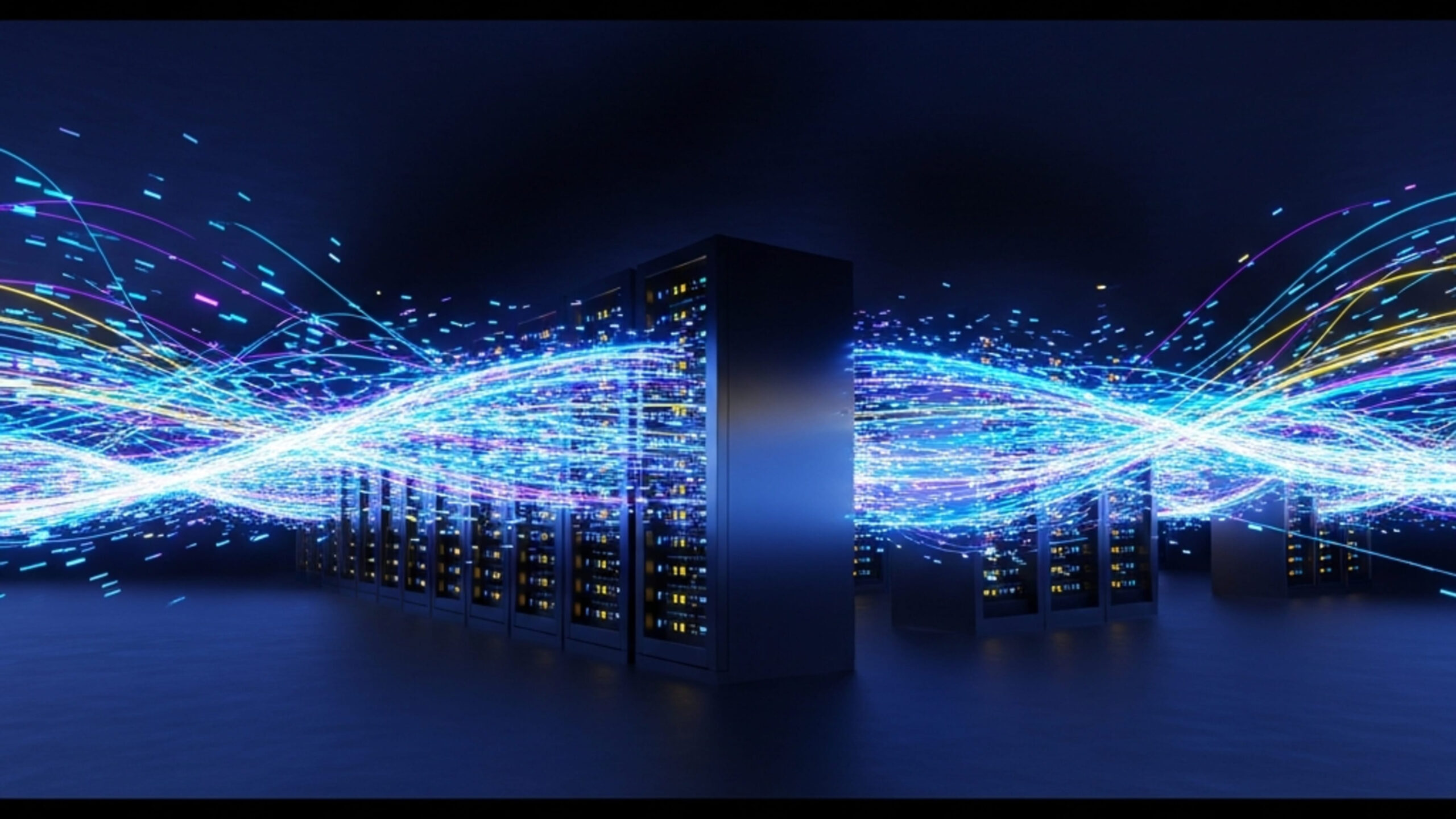
Enterprise storage is undergoing a deep-seated shift. Once viewed as a back-end infrastructure component, storage has become more of a strategic consideration as organisations grapple with growing data volumes, AI workloads, hybrid cloud environments and increasing pressure to optimise IT spending.
And the numbers reflect this change. According to Mordor Intelligence, the global software-defined storage market is expected to grow from $24.27 billion in 2026 to $75.03 billion by 2031, representing a compound annual growth rate (CAGR) of more than 25%.
Traditional enterprise storage has served organisations well for many years, but today’s infrastructure requirements are very different from those of a decade ago. Businesses are expected to manage rapidly growing datasets, deliver consistently high performance and scale infrastructure without repeatedly investing in proprietary hardware.
As a result, many are beginning to look beyond conventional storage arrays towards software-defined approaches.
The benefits of breaking free from proprietary infrastructure
Unlike traditional storage platforms, software-defined storage separates storage management from the underlying hardware.
Instead of relying on proprietary controllers and specialised storage arrays, software-defined storage runs on standard x86 servers using conventional hard drives, solid state drives (SSDs), non-volatile memory express (NVMe) drives and even storage-class memory. The software manages the storage environment directly, allowing enterprises to build resilient storage platforms using readily available hardware.
Benefits extend far beyond reduced hardware costs. By removing dependence on proprietary infrastructure, businesses gain greater flexibility over how and when they expand their storage environments. Hardware refresh cycles become less disruptive, and companies are no longer restricted to specific drive manufacturers or platform compatibility requirements when additional capacity is needed.
In addition, one of the biggest challenges with traditional storage environments has been the fact that scaling often comes with limitations.
Extending an existing storage array frequently requires organisations to remain within a particular vendor’s ecosystem, using approved hardware and following predefined upgrade paths. As storage demands increase, these restrictions can make expansion increasingly expensive and operationally complex.
Software-defined storage changes this model entirely; as capacity requirements grow, organisations simply add additional servers and disks into the storage pool. Existing infrastructure continues contributing alongside newer technologies, creating a single, unified storage environment that expands incrementally rather than requiring complete replacement.
Importantly, every additional node contributes not only extra storage capacity, but also increased performance and resilience. This linear scalability allows infrastructure to evolve alongside business requirements instead of forcing organisations into costly upgrades every few years.
While cost savings are often the first benefit associated with software-defined storage, operational simplicity can be equally valuable.
Managing multiple storage platforms, planning around hardware limitations and coordinating complex upgrades all consume valuable IT resources. With software-defined storage, the environment is managed as a single system, reducing administrative overhead while simplifying ongoing management. Companies gain the flexibility to introduce newer technologies as they become available without redesigning the entire storage platform.
For many businesses, this operational agility becomes just as important as the financial savings.
Experience reinforces value
Datacentrix has proven that these advantages are not merely theoretical. Within the organisation’s own infrastructure, Datacentrix previously operated a traditional three-tier storage environment centred on a conventional storage array.
As performance demands increased, it retrofitted SSDs into the platform, only to discover that the array supported a single vendor’s drives and very specific disk models. Hardware upgrades became increasingly expensive, installation required specialist engineers and long-term planning became more difficult, particularly once the platform approached end-of-service life.
Rather than continuing down this path, Datacentrix opted to adopt a software-defined storage architecture as part of a move to a new enterprise hypervisor platform. The migration itself also challenged another common misconception: that modernising storage inevitably requires significant downtime.
Using third-party migration software, Datacentrix transferred the majority of its data while production systems remained operational. Once the process was complete, only a short, planned maintenance window was required to synchronise the remaining data before bringing the new environment online.
The result was a controlled migration without the disruption often associated with large-scale storage refresh projects.
Preparing for the next generation of workloads
Storage decisions are becoming increasingly strategic as organisations continue to modernise their IT environments.
Not only are new demands being placed on enterprise infrastructure, but IT teams are also under constant pressure to improve efficiency and maximise existing investments. Software-defined storage provides an opportunity to address these competing priorities simultaneously. By separating storage intelligence from proprietary hardware, businesses gain the flexibility to scale incrementally, simplify operations and extend the useful life of their infrastructure – without sacrificing performance or resilience.
The continued growth of the software-defined storage market reflects a broader shift in how companies view enterprise infrastructure, moving away from rigid hardware-defined platforms towards architectures that evolve alongside changing business requirements.

-
Product on sale
 AWEBook Volume 2Original price was: KShs 3,500.00.KShs 3,000.00Current price is: KShs 3,000.00.