
Last Updated 1 hour ago by Kenya Engineer
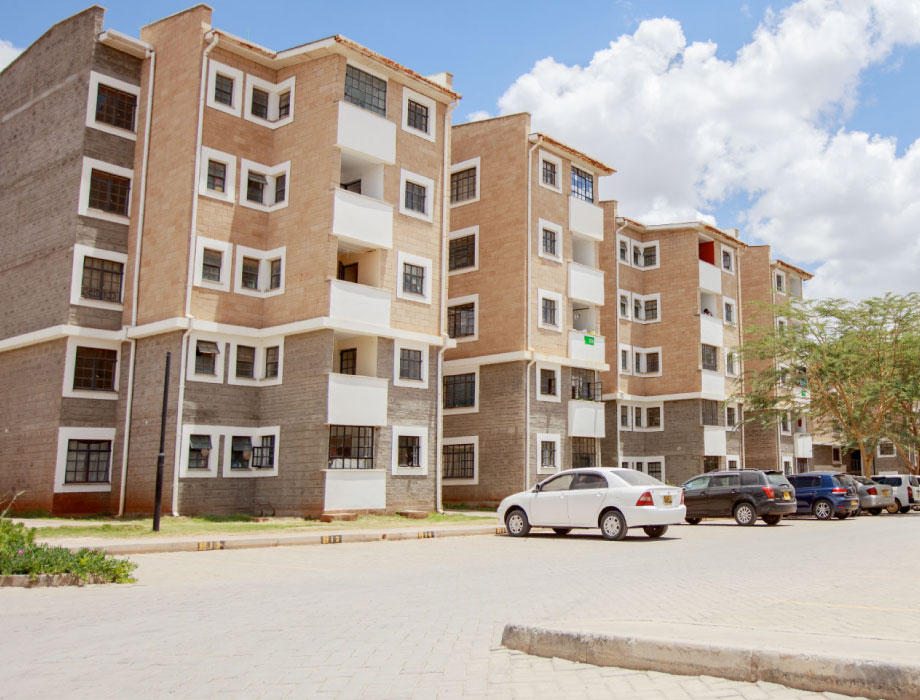
The Institution of Engineers of Kenya (IEK) has called for comprehensive structural investigations at apartments in Karibu Homes, Athi River, Machakos County, following reports of structural defects affecting a number of residential blocks.
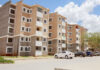
The call follows a site visit by IEK engineers after concerns were raised over the condition of apartments within the development. According to IEK, the development comprises approximately 500 residential units spread across 43 apartment blocks, with structural cracks observed in Blocks M, N and P within London Court.
The institution said residents in a number of affected units had vacated their premises over safety concerns.
Cracks raise structural concerns
In its preliminary findings following a visual inspection, IEK identified several issues requiring further technical investigation.
One of the key observations was progressive cracking in the affected buildings. IEK noted that cracks were first observed in 2019 and have continued to widen. The pattern of cracking, according to the institution, suggests possible differential settlement, where different parts of a building’s foundation settle unevenly.
IEK, however, stressed that the visual observations alone are not sufficient to establish the precise cause of the cracking.
Another concern identified was the condition of the stormwater drainage system around some of the affected buildings. The institution observed that drainage infrastructure was poorly built in some areas, while roof downpipes were discharging close to building foundations.
IEK warned that persistent accumulation of water over time could weaken the soil supporting the foundations and potentially contribute to settlement-related problems.
The inspection also identified deterioration at wall bases, with damp-related damage observed on the lower sections of some external walls. IEK attributed the deterioration to prolonged exposure to standing water, while noting that further assessment would be required to determine the full extent and impact of the damage.
Further investigation required
IEK has cautioned against drawing definitive conclusions about the cause of the defects before detailed investigations and testing are completed.
The institution said several technical issues require confirmation, including the adequacy of the existing foundation systems, conformity of construction with approved structural designs, and the quality, curing and strength of the concrete used in construction.
Other areas requiring investigation include the adequacy of reinforcement, construction methods, the timing of formwork removal, subsequent alterations that may have affected load paths, as well as the adequacy of professional supervision and quality-control procedures during construction.
“IEK does not draw conclusions on the cause of the observed defects at this stage, until the necessary investigations and tests have been completed,” the institution said.
The distinction is significant because visual inspection can identify symptoms of structural distress but may not, on its own, establish the underlying engineering cause.
IEK recommends structural and geotechnical testing
The engineers’ institution has recommended a series of investigations and remedial measures.
Among the recommendations is the undertaking of destructive and non-destructive structural tests on the affected blocks. The findings should then be shared with relevant authorities and residents, IEK said.
The institution has also recommended a comprehensive geotechnical investigation to assess the adequacy of the foundations and provide a basis for determining appropriate repair and strengthening measures.
Proper management of stormwater around all the buildings has also been recommended to prevent water from collecting around foundations.
In addition, IEK has advised that Blocks M, N and P remain vacant until repair and strengthening works have been safely completed.
Wider lessons for Kenya’s construction sector
The situation has also renewed attention on the importance of professional oversight throughout the building lifecycle, from design and construction to inspection and certification.
IEK urged developers to register their projects with the National Construction Authority (NCA), comply with applicable regulatory requirements and retain qualified consultants during construction to provide the necessary design, supervision, inspection and certification services.
The institution said the case demonstrates the importance of engaging appropriately qualified and licensed professionals throughout the development process.
According to IEK, residents of other blocks who notice new or widening cracks, sticking doors or windows, or water pooling against walls should report such conditions to their management and county authorities for assessment by a qualified professional engineer.
The Engineers Board of Kenya maintains a record of qualified engineers who can provide professional services, the institution noted.
A call for stronger accountability
IEK said it stands with the affected residents and supports ongoing technical and regulatory investigations.
The institution further called for greater accountability and stronger enforcement of building regulations within the construction industry, emphasizing that all stakeholders should prioritize professionalism in the built environment and the safety of human life.
The Karibu Homes case highlights a broader engineering lesson: structural defects should be investigated at the earliest opportunity, particularly where cracking is progressive or accompanied by drainage and foundation concerns.
For residents and building owners, early reporting and professional assessment can provide an opportunity to identify underlying problems before they develop into more serious structural or safety issues.
For developers and construction professionals, the case underscores the importance of sound geotechnical investigations, appropriate foundation design, quality construction, effective drainage and continuous professional supervision throughout a project’s lifecycle.

-
Product on sale
 AWEBook Volume 2Original price was: KShs 3,500.00.KShs 3,000.00Current price is: KShs 3,000.00.