Last Updated 13 years ago by Kenya Engineer
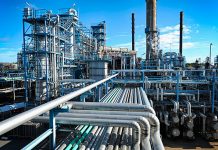
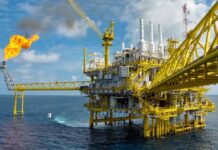
The Lamu-Turkana pipeline is reportedly set to be completed by the year 2016.Works on the project are set to begin soon with the government set to issue the international tenders for the pipeline’s design and construction by end of this month.
The tenders will be conducted on a turnkey model whereby the contractor will carry out the project with their own funds before selling it back to the government upon completion.
Companies involved in exploration can also participate in the bidding for the construction and design of the pipeline after government dropped its restriction to have exploring companies from participating in laying down of the pipeline.
The pipeline estimated to cost $255 billion will run from Turkana to Lamu, a distance of 1 288Km and extend 427Km in Southern Sudan. The pipeline is part of the LAPSSET Corridor project which will include the construction of:-
– Lamu port and Manda Bay
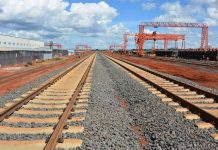
-Standard gauge railway line from Lamu to Juba
-Road network/Highways
-Oil pipelines (Southern Sudan, Kenya and Ethiopia)
-Oil refinery at Lamu
-Airports at Lamu, Isiolo and Lokichogio
-Three resort cities (Lamu, Isiolo and Lake Turkana) highways, pipeline, airport, resort cities and a railway line.
Read more: Three heads of State to flag off Lamu Port project.
According to the initial LAPSSET draft report, the oil pipeline would be of a 500 000 barrels capacity per day and another pipeline transmitting refined oil would be built with a capacity of 82 400 bbl. /day.
Speaking to the press during the National Validation Workshop held last week at the Bomas of Kenya, Cabinet Secretary for Energy, Davis Chirchir pointed the government was working to see that the new pipeline system to be laid out along the corridor is laid down together with fibre optic cables and power transmission lines.
The country expects to start oil production in 2017-2018.
-
Product on sale AWEBook Volume 2Original price was: KShs 3,500.00.KShs 3,000.00Current price is: KShs 3,000.00.