
Last Updated 1 hour ago by Kenya Engineer
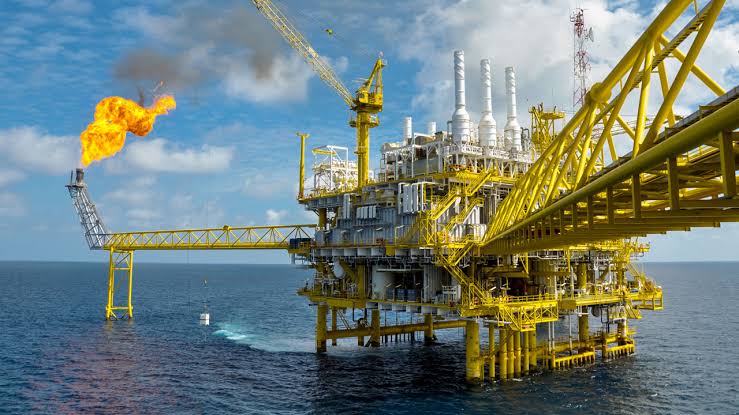
SLB has commissioned a new drilling and completion fluids plant in Pemba, northern Mozambique, expanding the country’s capacity to support offshore oil and gas operations with locally based industrial infrastructure.
The facility, announced on 9 October 2026, has an initial storage capacity of 21,000 barrels. It will prepare, store and supply drilling and completion fluids used in offshore well construction, strengthening the supply chain serving operators in Mozambique’s offshore energy sector. SLB said the investment forms part of its long-term operations in the country, where it is marking 70 years of activity.
Supporting offshore well construction
Drilling fluids, commonly known as drilling mud, perform several functions during well construction. They help control downhole pressure, carry rock cuttings to the surface, cool and lubricate drilling equipment, and support the stability of the wellbore. Completion fluids are used during the preparation of a well for production.
A liquid mud plant provides the onshore facilities needed to prepare, store and handle these fluids before they are transported to offshore drilling installations. Locating this capability near the port and offshore supply operations can improve the coordination of materials and reduce dependence on transporting prepared fluids from distant facilities.
Pemba is strategically positioned to serve offshore exploration and development in the Rovuma Basin, which hosts major natural gas resources. Mozambique’s National Petroleum Institute identifies the basin’s Area 4 developments, including the Northern Coral floating liquefied natural gas project, as part of the country’s expanding gas industry. The Northern Coral project is designed for a production capacity of 3.55 million tonnes of LNG annually, with production expected to begin in 2028, according to the institute.
Local participation and technical capacity
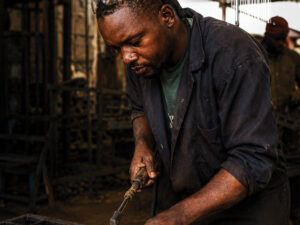
SLB reported that the plant’s construction created more than 100 jobs in Pemba, with Mozambican nationals accounting for 80% of the workforce. The project also recorded more than 67,000 working hours without a recordable safety incident, according to the company.
The investment adds to the industrial and logistics infrastructure supporting Mozambique’s offshore sector. Beyond the drilling fluids themselves, such facilities depend on materials handling, storage, quality control, safe chemical handling, transport coordination and operational support.
Developing these services within Mozambique creates opportunities for local workers and suppliers to participate in the wider oil and gas value chain. The extent of the longer-term benefits will depend on the skills developed, the procurement opportunities available to domestic companies and the level of sustained offshore activity.
Building the offshore services supply chain
The new plant illustrates how offshore energy development relies on a supporting network of onshore facilities, ports and specialised service providers. While offshore wells and subsea production systems attract much of the attention, the ability to supply drilling materials and technical services reliably is also an important part of project execution.
SLB has not disclosed the plant’s capital cost, detailed engineering specifications or projected operating volumes. Its stated storage capacity should not be interpreted as annual throughput, which will depend on operational demand and how frequently the facility’s inventory is replenished.
The commissioning marks an expansion of Mozambique’s domestic drilling fluids capability as the country continues developing the infrastructure required to support offshore energy operations.
-
Product on sale
 AWEBook Volume 2Original price was: KShs 3,500.00.KShs 3,000.00Current price is: KShs 3,000.00.