Last Updated 4 hours ago by Kenya Engineer
A new wireless telemetry system is being installed across South Africa’s Nkomati Nickel mine to restore mine-wide monitoring of water levels, flow rates and pumping systems as the operation prepares to resume production.
Remote monitoring specialist Omniflex is supplying the system following a R753 million investment announced for the mine’s restart. The company had previously supplied telemetry equipment to the operation more than a decade ago, but some of the original equipment has since reached the end of its operational life following several changes in ownership.
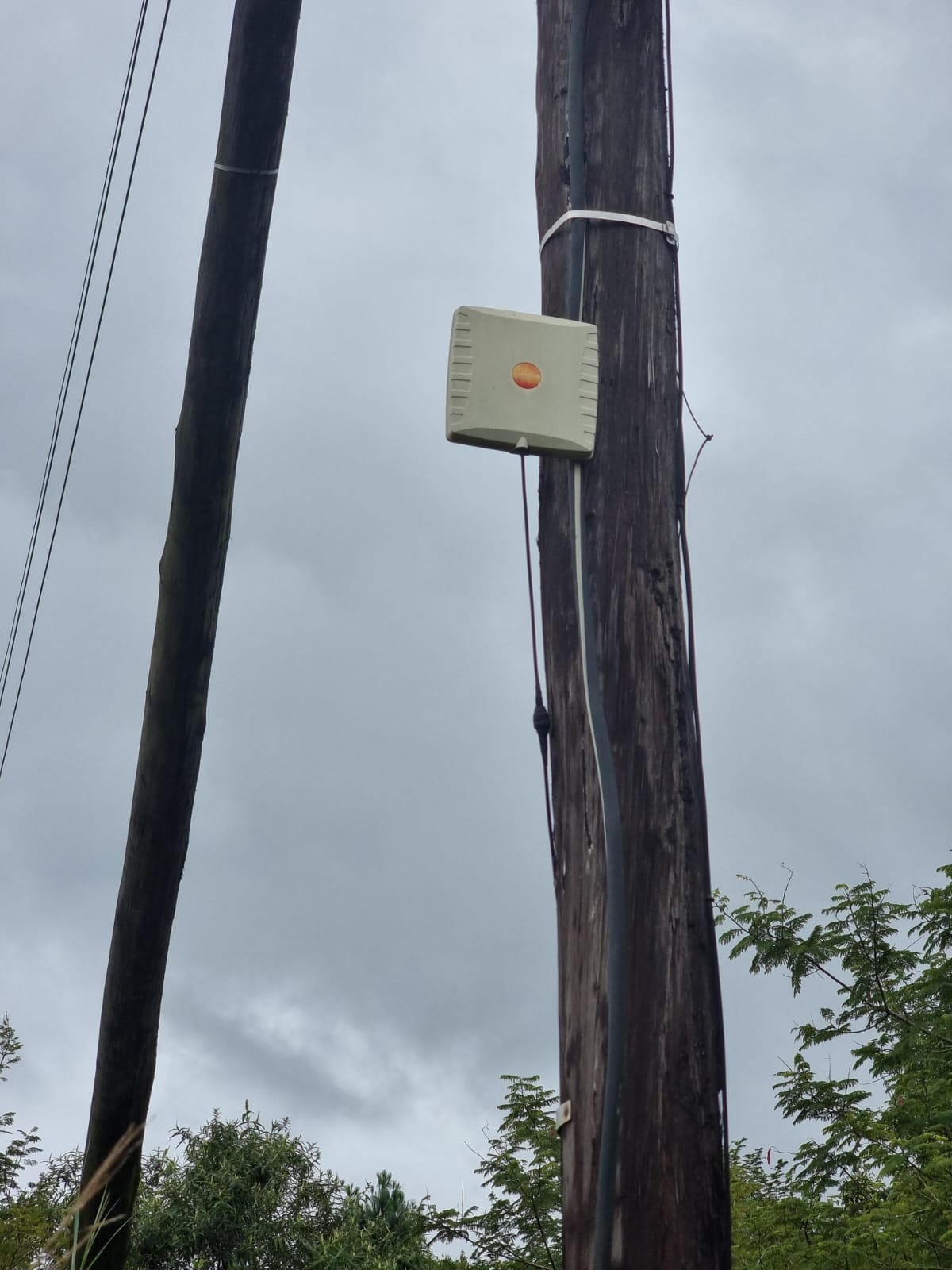
The replacement system will connect six remote outstations to a central control room, with information from the monitoring points transmitted to the site’s supervisory control and data acquisition (SCADA) system.
The system is designed to give operators a central view of water-management activities across the mine, including water levels, flow rates and pump status. Operators will also be able to start and stop pumps remotely.
This capability is particularly important in a mine where water is transferred between dams. A pump failure can interrupt the transfer process and, if not detected quickly, potentially result in water accumulating in the receiving area.
By transmitting pump status and other measurements back to the control room, the telemetry system is intended to give operators near-immediate visibility of equipment trips and other changes in the water system, allowing intervention before a local fault develops into a wider operational problem.
The engineering challenge extends beyond monitoring itself. Nkomati’s hilly terrain creates difficulties for radio communications because individual monitoring points do not always have a direct line of sight to the central control room.
Omniflex has designed the network so that signals can be routed through another nearby outstation where a monitoring point is located in a low-lying area. This allows the remote stations to remain connected without requiring every monitoring point to have a direct radio path to the control room.
Ian Loudon, international marketing and sales manager at Omniflex, said the site’s terrain requires careful positioning of the wireless equipment.
The technical survey identified the low-lying area between Pit 2 and Pit 3 as one location where a signal may need to be routed through a repeater or another outstation to maintain connectivity.
The survey nevertheless indicated that the terrain was suitable for a radio telemetry network, building on the performance of the previous Omniflex installation at the mine.
Another consideration is protection against electrical surges. The mine is located in a mountainous area with significant exposure to lightning, increasing the importance of surge protection for equipment installed at remote monitoring points.
The new outstations therefore incorporate surge protection and battery backup as part of the system’s resilience measures.
The telemetry architecture is also designed to accommodate future expansion. Additional monitoring channels can be added as the mine’s requirements change without requiring the entire network to be redesigned.
This modular approach could allow Nkomati to extend monitoring to additional pumps, water-transfer points or other equipment as operations develop.
The system’s deployment also reflects the practical challenges of maintaining instrumentation at remote mining sites. With limited engineering facilities in the immediate vicinity of the mine, Omniflex is providing commissioning support alongside Nkomati personnel.
Its engineers are assisting with system configuration, troubleshooting wireless connectivity and providing operational guidance as the new infrastructure is installed.
The first two telemetry systems have already been delivered, with the remaining outstations expected to be installed over the next 12 months.
For a mine preparing to return to operation, the project demonstrates how relatively distributed monitoring infrastructure can be integrated into a central SCADA environment to provide operators with greater visibility of critical water-management systems.
As mining operations become increasingly dependent on automated monitoring and remote control, reliable communications between field instrumentation and control rooms are becoming an important part of mine infrastructure, particularly where terrain, weather and distance make conventional wired connections difficult to deploy.

-
Product on sale
 AWEBook Volume 2Original price was: KShs 3,500.00.KShs 3,000.00Current price is: KShs 3,000.00.